Stage lighting is more than just illumination; it's the heartbeat of any live performance, setting the mood, shaping the atmosphere, and guiding audience focus. Whether it’s a concert, theater show, or corporate event, stage lighting transforms an ordinary space into an immersive visual experience. With today’s advanced technology, lighting design has evolved into a creative art form that blends innovation, precision, and emotion.
What Is Stage Lighting?
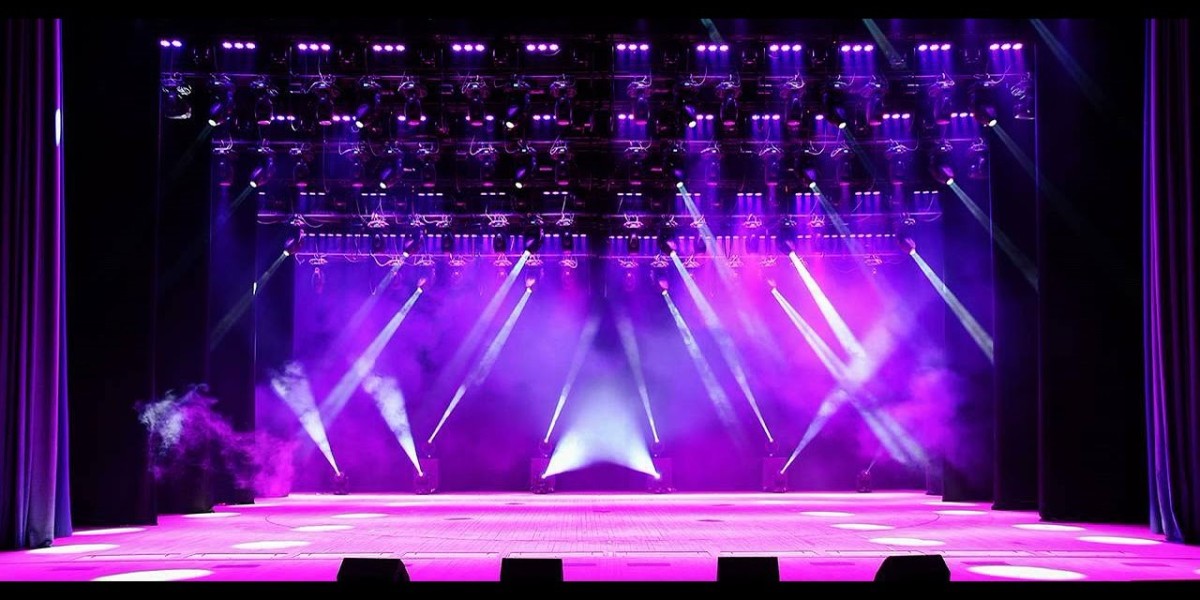
Stage lighting refers to the use of lighting instruments to enhance the visibility, mood, and aesthetics of a performance. It involves controlling light intensity, color, direction, and movement to support storytelling or enhance entertainment value. From LED stage lights to moving head fixtures, every element plays a role in creating dynamic scenes and visual effects that engage audiences.
Modern lighting designers use sophisticated control systems and DMX programming to synchronize lights with sound, video, and movement. This harmony turns performances into complete sensory experiences, whether in a small club or on a grand concert stage.
The Importance of Stage Lighting
The impact of stage lighting goes far beyond brightness. It defines emotions, draws attention, and influences how audiences perceive each moment. For instance, warm amber tones can evoke intimacy, while cool blue hues create a sense of mystery.
Lighting also shapes stage depth and perspective, helping performers stand out while adding dimensionality to backdrops and props.
In concerts, dynamic lighting helps amplify energy levels and audience excitement. In theater, it supports storytelling and character development. And in corporate events, precise lighting adds sophistication, reinforcing brand identity and professionalism.
Types of Stage Lighting Fixtures
Understanding different types of stage lighting equipment is essential for creating diverse looks and effects. Each fixture serves a unique purpose:
- Spotlights – Focused beams used to highlight performers or key areas on stage.
- Wash Lights – Wide, soft beams that fill the stage with even illumination.
- Beam Lights – Narrow, high-intensity beams for sharp visual effects.
- LED Stage Lights – Energy-efficient lights offering color versatility and lower heat output.
- Moving Head Lights – Motorized fixtures that pan, tilt, and change colors dynamically.
Combining these lighting types allows designers to create texture, contrast, and rhythm in visual compositions.
The Evolution of Stage Lighting Technology
Over the years, stage lighting has shifted from traditional halogen and tungsten fixtures to LED and intelligent lighting systems. LEDs revolutionized the industry by providing longer lifespan, lower power consumption, and RGB color mixing for infinite creativity.
Moving head lights and automated systems further enhanced control and precision, allowing designers to craft dynamic lighting sequences synchronized with music or stage actions. Today, lighting control software and consoles like MA Lighting or Avolites make it possible to program intricate cues that respond in real time.
Wireless control and digital protocols have made stage setups more flexible, enabling faster installations and fewer cable connections — a game changer for touring productions and event companies.
Design Principles Behind Stage Lighting
Successful lighting design is a balance of art and science. Designers consider several principles to achieve visual harmony:
- Visibility: Ensuring performers and scenery are clearly seen without distraction.
- Mood: Using color and intensity to evoke emotion and atmosphere.
- Focus: Guiding the audience’s attention to important areas or moments.
- Composition: Blending multiple lighting elements into a cohesive visual picture.
- Rhythm: Synchronizing light changes with the pace of the performance.
A professional lighting designer uses these principles to support the narrative and connect emotionally with the audience.
How Stage Lighting Enhances Performances
Lighting transforms the stage into a storytelling medium. During concerts, synchronized beams and color transitions pulse with the music, creating energy that resonates with the crowd. In theater, lighting shifts can signify time, place, or emotional transitions.
For DJs and event planners, stage lighting builds ambiance — from soft uplighting at weddings to bold beams in nightclubs. Even in television and film, stage lighting determines the visual tone and depth of each scene.
Choosing the Right Stage Lighting Equipment
Selecting the right fixtures depends on the event type, venue size, and creative goals. For example:
- Concerts and Festivals: Require high-output moving head beams and LED washes for dynamic effects.
- Theater Productions: Benefit from precise spotlights and programmable dimmers for dramatic control.
- Corporate Events and Exhibitions: Use elegant, color-tuned lighting to enhance branding.
- DJ Performances: Favor compact, fast-moving LED lights and strobes for energy and rhythm.
Modern LED stage lights and moving heads provide excellent flexibility, allowing users to achieve professional results on any budget.
Energy Efficiency and Sustainability
LED technology has made stage lighting more sustainable than ever. Compared to traditional halogen lamps, LEDs consume up to 80% less power and produce less heat, reducing cooling requirements and overall operational costs.
Event organizers now prioritize eco-friendly lighting setups that deliver high brightness while supporting environmental goals. This shift aligns with global trends toward energy efficiency and responsible production practices.
The Role of Lighting Control Systems
Lighting control systems are the brains behind every professional setup. DMX controllers, lighting consoles, and software platforms allow designers to create scenes, cues, and transitions with precision timing.
With advanced DMX and wireless protocols, multiple fixtures can be controlled simultaneously, allowing for real-time adjustments during performances. Automation tools even allow for pre-programmed sequences, reducing manual intervention and improving consistency.
Future Trends in Stage Lighting
The future of stage lighting lies in integration and intelligence. Expect to see:
- AI-driven lighting automation that adapts to live performance dynamics.
- Augmented reality (AR) and projection mapping blending with traditional lighting.
- Advanced color rendering for more natural skin tones and scenic effects.
- Smart wireless fixtures with app-based control for flexible setups.
These innovations continue to blur the line between technology and creativity, expanding what’s possible in live event production.
Conclusion
Stage lighting is the soul of every performance. It shapes how audiences feel, perceive, and connect with what unfolds before them. From the smallest spotlight to the most complex moving head light setup, each element plays a vital role in storytelling and experience creation.
As technology advances, stage lighting continues to evolve blending artistry, engineering, and innovation. Whether you’re a lighting designer, event planner, or performer, mastering the power of light is key to turning every stage into a memorable visual masterpiece.