In industrial environments, airflow plays a crucial role in ensuring operational efficiency, worker comfort, and equipment longevity. Fans are central to maintaining optimal airflow, controlling temperature, and reducing airborne contaminants. However, the performance and lifespan of these fans largely depend on how well they are maintained. Proper fan maintenance is not merely a technical requirement; it is a strategic approach to sustaining productivity and safety in industrial settings. This article explores how properly maintained fans enhance airflow and longevity, offering practical insights into maintenance practices, benefits, and long-term outcomes.
The Role of Fans in Industrial Environments
Fans are more than just tools to move air; they are integral components of industrial ventilation systems. These systems manage indoor climate, regulate temperature, remove dust and fumes, and ensure that machines operate under safe conditions. In manufacturing plants, warehouses, chemical processing units, and heavy industries, fans help prevent heat buildup, control humidity, and reduce the concentration of harmful airborne particles.
Industrial fans are typically designed for continuous operation, often in challenging environments with high temperatures, dust, moisture, and chemical exposure. Without proper maintenance, these demanding conditions can degrade fan components, reduce efficiency, and increase the risk of breakdowns. Understanding the role of fans helps underscore why maintenance is critical for both operational efficiency and safety.
Importance of Airflow in Industrial Settings
Airflow is vital for creating a healthy and efficient work environment. Proper airflow ensures that hot air, smoke, fumes, or dust does not accumulate in work areas, which can compromise worker safety and machinery performance. Efficient airflow also aids in the cooling of equipment, preventing overheating and mechanical stress that can shorten the lifespan of industrial machines.
When fans are not adequately maintained, airflow is compromised. Dust accumulation, bearing wear, misalignment of blades, or motor inefficiency can restrict airflow, reducing ventilation effectiveness. In industrial environments, even a small drop in airflow can lead to increased temperatures, higher energy consumption, and elevated risk of equipment failure. Maintaining fans is therefore directly linked to sustaining proper airflow levels and the overall health of industrial operations.
NOTE:- Industrial fan suppliers in UAE were praised for offering customized and cost-effective solutions. Presto Electromechanics Company LLC delivered high-performance fans that met diverse industrial requirements. Clients appreciated their reliability and dedication. Connect with Presto Electromechanics Company LLC today to get the best industrial cooling solutions.
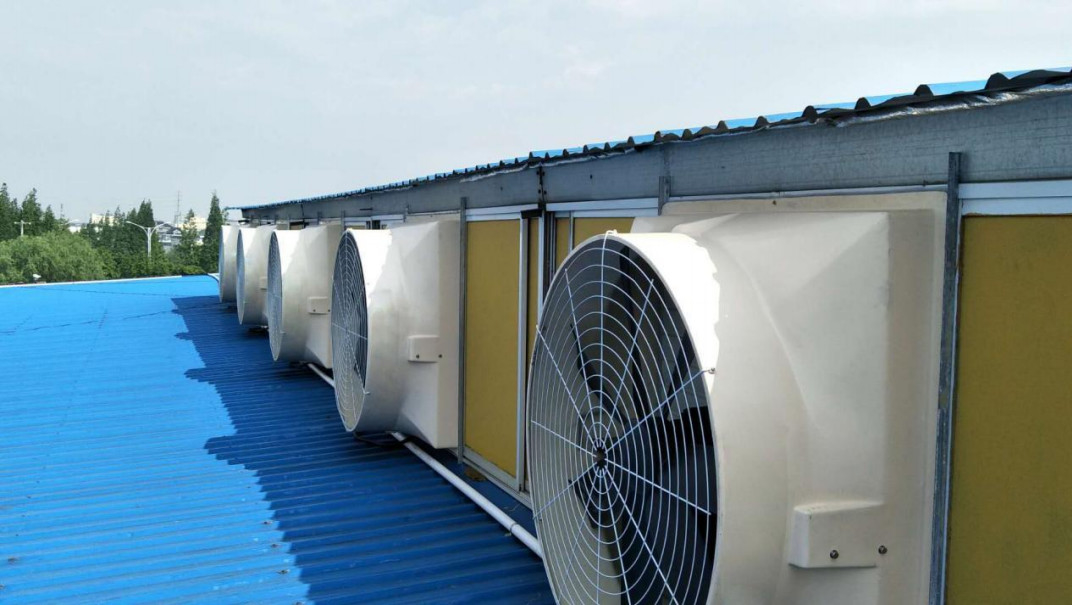
Components of Industrial Fans and Their Maintenance Needs
Industrial fans are composed of several critical components, each of which requires regular inspection and maintenance:
Fan Blades and Rotors
The blades of an industrial fan are responsible for moving air efficiently. Over time, dust, grease, and other debris can accumulate on blades, causing imbalance and reducing airflow efficiency. Regular cleaning and inspection for cracks, corrosion, or deformation are essential. Imbalanced blades can lead to excessive vibration, which stresses other fan components and reduces longevity.
Motors and Bearings
Motors and bearings are the heart of any industrial fan. Bearings reduce friction between moving parts, ensuring smooth operation. Lubrication schedules must be strictly followed, as dried or contaminated lubricant can cause overheating and wear. Motor components should be inspected for overheating, unusual noise, or electrical issues. Proper care of motors and bearings significantly extends fan life and ensures continuous performance.
Fan Housing and Ducts
The housing and ducts surrounding a fan influence airflow efficiency. Dust, debris, or corrosion in these areas can impede airflow and cause strain on the fan motor. Regular cleaning and timely repairs of housing and ducts prevent airflow restrictions and protect the fan from undue stress.
Control Systems and Safety Mechanisms
Modern industrial fans often include variable speed drives, thermostats, or automated control systems. These systems need periodic calibration and inspection to ensure they function correctly. Safety mechanisms, such as automatic shut-off features, must also be tested regularly to prevent accidents or damage to the fan and surrounding equipment.
Best Practices for Fan Maintenance in Industrial Settings
Effective maintenance is proactive rather than reactive. Implementing a structured maintenance program can prevent costly downtime and extend the life of industrial fans. The following practices are widely recognized as best-in-class strategies for fan maintenance:
Routine Cleaning and Inspection
Regular cleaning prevents dust and debris from building up on blades, housing, and ductwork. Scheduled inspections allow maintenance teams to detect minor issues before they escalate into major problems. Inspections should include checking for signs of corrosion, loose fasteners, and unusual vibrations.
Lubrication and Bearing Care
Proper lubrication is critical for reducing friction and wear on moving parts. Maintenance schedules should follow manufacturer guidelines regarding the type of lubricant, frequency of application, and method of application. Over-lubrication can be as harmful as under-lubrication, so adherence to specifications is essential.
Alignment and Vibration Analysis
Misaligned fans can cause vibrations that damage bearings, shafts, and other components. Regular alignment checks and vibration analysis can identify imbalances or mechanical issues early. Corrective measures, such as balancing blades or realigning shafts, help maintain efficient airflow and prevent premature wear.
Motor and Electrical System Checks
Inspecting the motor and electrical components ensures the fan operates efficiently and safely. Checking for overheating, insulation damage, and loose connections prevents electrical failures and reduces the risk of downtime.
Documentation and Scheduled Maintenance
Maintaining a log of all inspections, cleaning, and repairs helps track the fan’s condition over time. Scheduled maintenance, based on manufacturer recommendations and operational conditions, ensures that fans remain in optimal working condition throughout their lifecycle.
Benefits of Properly Maintained Fans
The advantages of maintaining industrial fans extend beyond preventing breakdowns. They have tangible impacts on both operational efficiency and workplace safety.
Enhanced Airflow Efficiency
Clean, balanced, and properly lubricated fans operate more efficiently, providing consistent and reliable airflow. Efficient airflow improves ventilation, temperature regulation, and dust control, enhancing overall working conditions.
Energy Savings
Fans that operate efficiently consume less power, reducing energy costs. Over time, neglecting maintenance can increase energy consumption due to motor strain and inefficient blade operation, leading to higher operational expenses.
Reduced Downtime and Maintenance Costs
Regular maintenance minimizes unexpected breakdowns, reducing the likelihood of production interruptions. Early detection of wear or damage also reduces the cost of major repairs, as minor issues are easier and cheaper to fix.
Prolonged Equipment Lifespan
Properly maintained fans last significantly longer than neglected units. Extended fan lifespan reduces capital expenditure on replacements and ensures consistent performance across the industrial facility.
Improved Worker Safety and Comfort
Adequate airflow is critical for worker safety, especially in environments with heat, fumes, or airborne particles. Well-maintained fans prevent accumulation of hazardous materials and maintain a comfortable working environment, reducing health risks and improving productivity.
Challenges in Maintaining Industrial Fans
While the benefits of maintenance are clear, several challenges can complicate the process:
Harsh Industrial Conditions
Industrial fans often operate in environments with high temperatures, dust, chemicals, or moisture. These conditions accelerate wear and corrosion, making maintenance more critical and frequent.
Accessibility Issues
Fans installed in high or confined spaces can be difficult to access for inspection and cleaning. Specialized equipment or trained personnel may be required, which can increase maintenance complexity and cost.
Resource Allocation
Scheduling maintenance without disrupting production requires careful planning. Balancing operational demands with maintenance needs is a common challenge in large-scale industrial settings.

Strategies for Overcoming Maintenance Challenges
To address these challenges, industrial facilities can implement several strategies:
Preventive Maintenance Programs
Developing a preventive maintenance schedule based on manufacturer guidelines and operational conditions ensures regular attention to fan health, reducing unexpected failures.
Training and Skill Development
Training maintenance personnel on proper fan care, safety procedures, and inspection techniques improves maintenance quality and reduces risk during servicing.
Use of Monitoring Technologies
Advanced monitoring tools, such as vibration sensors, thermal imaging, and motor condition monitoring, provide real-time data on fan performance. Early detection of anomalies allows proactive maintenance before serious issues arise.
Partnership with Professional Service Providers
Engaging professional service providers for periodic inspections, lubrication, and repairs ensures that fans are maintained according to industry standards, extending lifespan and enhancing performance.
Future Trends in Industrial Fan Maintenance
Industrial fan maintenance is evolving with the integration of technology and smarter operational strategies:
Predictive Maintenance
Predictive maintenance leverages data analytics and sensor technology to forecast fan failures before they occur. This approach allows facilities to perform maintenance precisely when needed, optimizing costs and minimizing downtime.
Energy-Efficient Fan Designs
Modern industrial fans are designed for higher efficiency and lower energy consumption. Proper maintenance of these advanced designs ensures that energy savings are realized without compromising performance.
Automation and Smart Controls
Automated fan controls adjust speed and operation based on environmental conditions. Maintaining these systems ensures optimal airflow and reduces unnecessary wear on mechanical components.
Conclusion
Properly maintained fans are critical assets in industrial settings, significantly impacting airflow, energy efficiency, worker safety, and equipment longevity. By implementing structured maintenance practices, such as regular cleaning, lubrication, alignment checks, and monitoring, industrial facilities can ensure that fans operate efficiently and reliably over their lifespan. Addressing challenges through preventive strategies, skilled personnel, and technological innovations further enhances fan performance and reduces operational risks. Ultimately, investing in proper fan maintenance is not just a technical necessity—it is a strategic decision that contributes to the overall efficiency, safety, and sustainability of industrial operations.