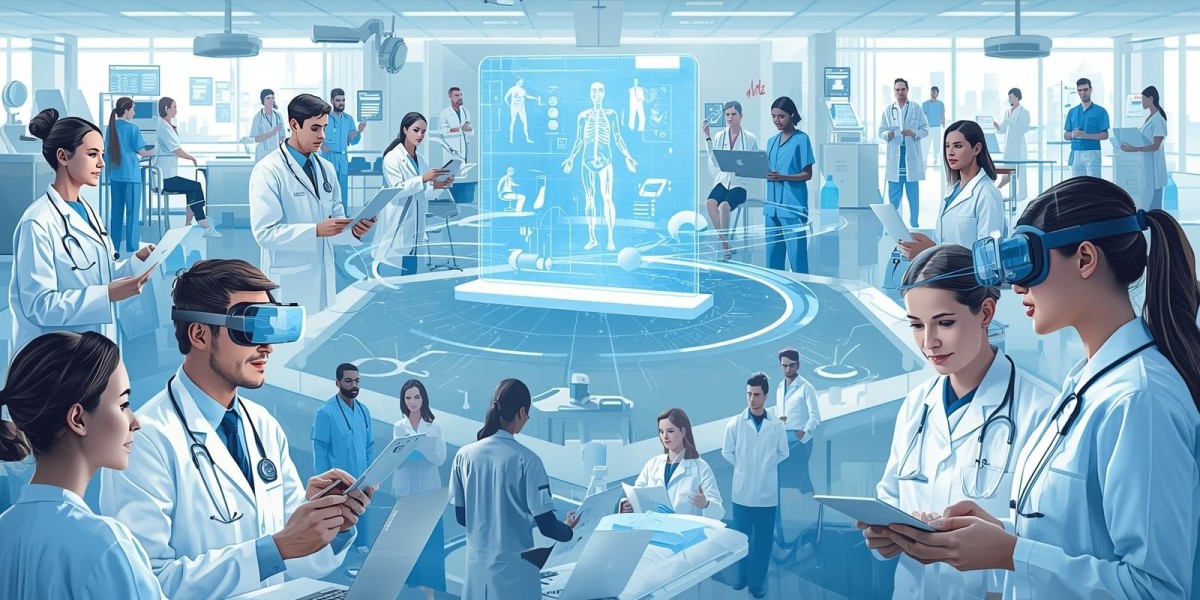
The healthcare and allied health sciences sector has seen incredible growth over the past decade. With more people becoming health-conscious, advancements in diagnostic technology, and a rising demand for preventive care, there are plenty of career opportunities popping up in paramedical and laboratory sciences. Students with a science background are now diving into skill-oriented courses that promise both job security and long-term career development.
Unlike traditional degree programs that can take years to complete, allied health programs emphasize practical skills and getting students ready for the job market. These courses aim to connect theoretical knowledge with real-world healthcare practices. From radiology and operating room technology to dialysis and laboratory sciences, the healthcare system relies heavily on skilled professionals who work behind the scenes to support doctors and specialists.
One of the standout benefits of paramedical education is how employable it makes you. Healthcare services are a must-have in every city and town, which means there’s a constant need for trained professionals in hospitals, clinics, diagnostic labs, and research centers all over the country. The diagnostic field, in particular, has seen a significant boom thanks to the rise in lifestyle-related diseases and the growing focus on early detection. This has led to a steady demand for skilled lab personnel who can perform accurate tests and uphold quality standards.
When students are on the hunt for a healthcare-oriented course, they often consider factors like eligibility, course length, hands-on training opportunities, career potential, and salary expectations. Grasping these elements ahead of time is key to making smart academic choices. For instance, programs centered around laboratory work typically require a solid grounding in biology and chemistry, while other paramedical courses might focus more on equipment handling or patient support services.
Another important factor to consider is the quality of hands-on training. In the world of healthcare education, getting practical experience is just as crucial as what you learn in the classroom. Schools that offer well-equipped labs, internships at respected hospitals, and a curriculum focused on industry needs usually do a better job of preparing students for the challenges they'll face in the real world. Before making a decision to enroll, students should take a close look at the course structure, accreditation, faculty qualifications, and the support available for job placements.
When it comes to career advancement in allied health sciences, specialization plays a significant role. While entry-level positions provide essential experience, those who go after advanced certifications or higher degrees often find themselves moving into supervisory, technical specialist, or administrative positions. In the healthcare sector, continuous learning and upskilling are vital, especially as new diagnostic technologies and testing methods are constantly emerging.
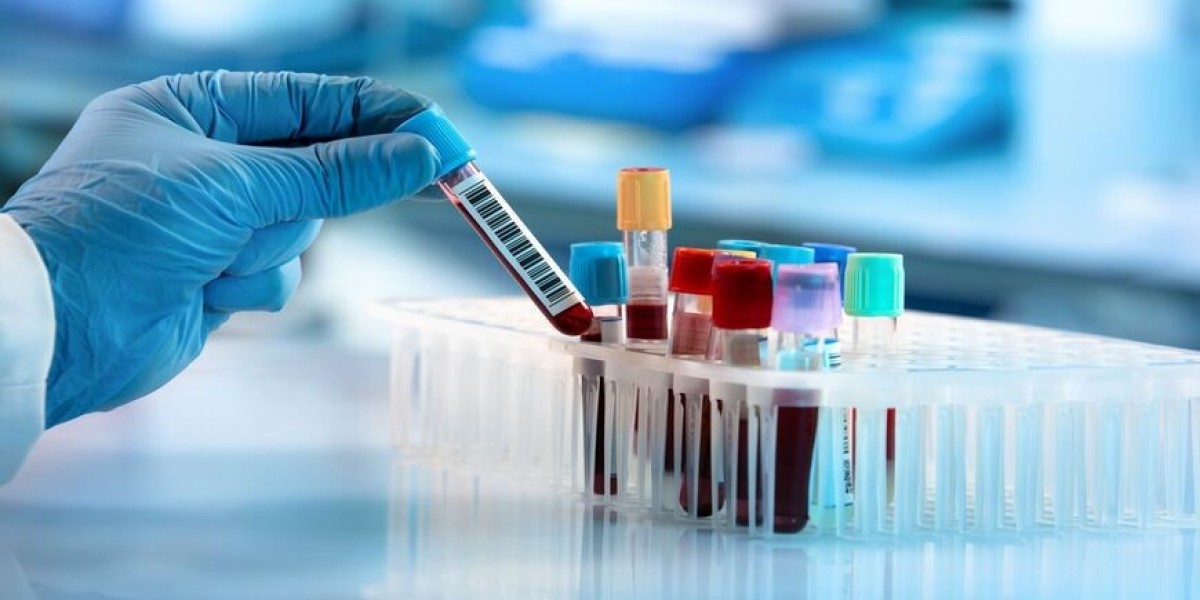
Among the various options available in paramedical education, laboratory science programs continue to attract strong interest due to their consistent demand and career stability. Students researching detailed information about eligibility criteria, updated fee structures, syllabus modules, job roles, and salary trends can explore this comprehensive guide on MLT course eligibility, fees, syllabus, jobs & salary to gain structured insights before finalizing their career path.
Healthcare isn't just a job; it's a field driven by responsibility, where precision and dedication can make a real difference in patient outcomes. Take laboratory professionals, for example—they're essential in spotting diseases, monitoring treatments, and conducting health screenings. Even if patients don’t see them face-to-face, their work is crucial to the whole treatment journey.
Beyond hospitals and diagnostic centers, there are also growing career opportunities in pharmaceutical companies, biotech firms, public health organizations, and research labs. With India's healthcare system expanding and government efforts aimed at improving medical access, the future looks bright for careers in allied health.
Globalization has really opened up a world of possibilities for skilled professionals looking to tap into international job markets, as long as they meet the necessary licensing and certification standards. Countries with top-notch healthcare systems are often on the lookout for trained laboratory and paramedical staff, making this an appealing field for those who want to gain global experience.
To wrap it up, allied health and paramedical courses provide a great mix of skill-building, job security, and career advancement. Students who take the time to assess course specifics, the reputation of institutions, and future opportunities can pave the way for a stable and fulfilling career in healthcare. By making a smart choice today, you can set yourself up for long-term success in this dynamic and vital industry.