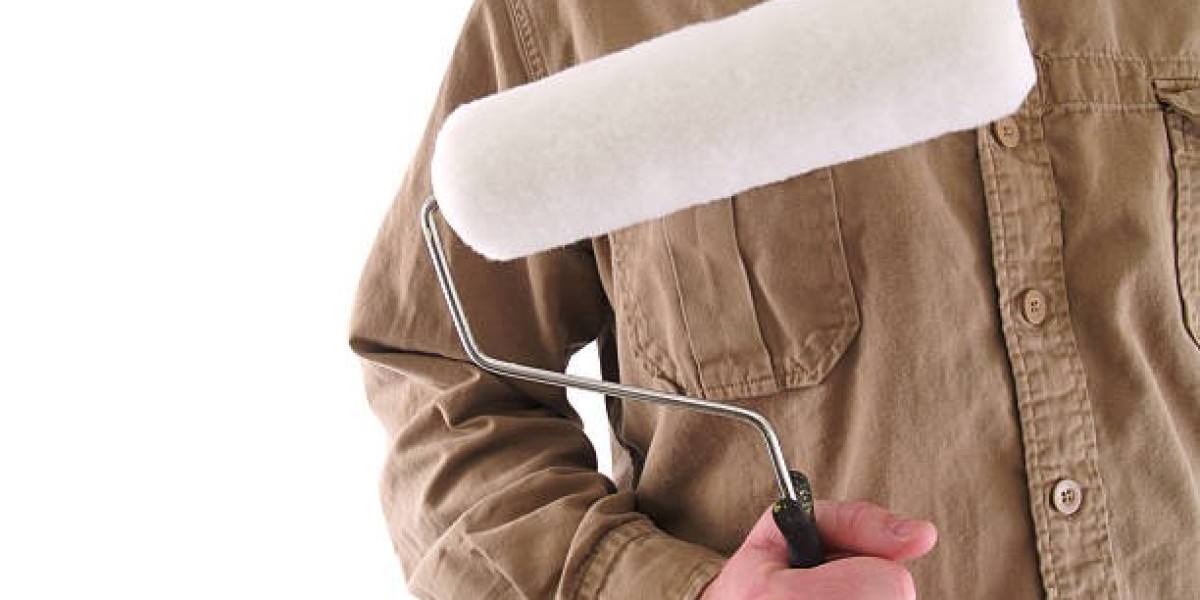
Painting looks easy from a distance. Dip, roll, done. That’s what people think. Then, halfway through the wall, they’re wondering why it looks streaky or why there’s fuzz stuck in the paint. Most of the time, it comes down to the roller cover. Even something basic like a paint roller refill 9 inch can make or break the job, depending on what you’re painting and how you’re painting it. I’ve seen people blame the paint brand, the wall, the weather—anything except the roller. But yeah, the refill matters. More than you’d expect.
Start With the Surface, Not the Shelf
Before you grab whatever’s hanging closest to you, think about what you’re actually painting. Smooth drywall? Slight texture? Rough concrete block? Old brick with gaps and pits everywhere? The surface decides the roller, not the other way around. If the wall is smooth and you use a thick nap roller, you’re going to leave heavy texture behind. If the wall is rough and you use a thin nap, you’ll spend the whole afternoon pressing harder and still missing spots. It’s not about working harder. It’s about using the right tool so you don’t have to.
Nap Thickness — The Part People Ignore
Nap thickness just means how long the fibres are on the roller cover. A short nap, around 1/4 inch, is for smooth stuff. Doors, cabinets, metal surfaces. You move up to 3/8 inch, and that’s pretty standard for interior walls. Once you’re at 1/2 inch or 3/4 inch, you’re dealing with textured surfaces, stucco, brick, and concrete. The thicker the nap, the more paint it holds. Sounds good, right? Sometimes. But thicker also means more splatter if you rush. So if you go heavy nap, you'd better slow your roll. Literally.
Roller Fabric Makes a Difference (Even If It Doesn’t Look Like It)
Not all roller refills are built the same. Some are woven. Some are microfiber. Some are cheap polyester that sheds like an old sweater. Woven covers usually give a smoother finish and don’t leave lint behind. Microfiber holds more paint, which is great for covering big walls faster, but it can feel heavy if you overload it. Lambswool still has its place, mostly with oil-based paints, though fewer people mess with those these days. And then there’s the super cheap covers. They look fine until you start rolling, and little fibres stick to your wall. You’ll notice.
Why the 9-Inch Roller Is the Go-To
For most home projects, a paint roller refill 9 inch is the standard for a reason. It fits most frames. It covers a decent amount of wall without feeling awkward. It’s kind of the middle ground between speed and control. If you’re painting bedrooms, living rooms, hallways—this size usually makes sense. Pair it with a 3/8 inch nap for typical interior drywall, and you’re in a good spot. Not fancy advice. Just practical.
Rough Surfaces Need More Reach
Brick walls, exterior block, heavily textured plaster—these surfaces eat paint. If you try to use a short nap roller on them, you’ll end up going over the same section five times and still see bare patches in the crevices. A 1/2 inch or even 3/4 inch nap works better because it pushes paint into those dips and cracks. But here’s the thing: don’t rush it. Thick nap rollers carry more paint, which means a greater chance of splatter if you move too fast. Slow strokes. Even pressure. Let the roller do its job.
Smooth Doors and Cabinets Are a Different Game
When you switch from walls to doors or cabinets, change the roller. Don’t just keep using the same one because it’s already loaded. Smooth surfaces show everything. For those, go with a 1/4 inch nap or even a foam roller if you want that clean, almost sprayed look. Especially with semi-gloss or gloss paint. Press too hard and you’ll see lines. Overwork it, and you’ll get bubbles. It’s a lighter touch. A bit more patience.
Garage Floors and Heavy Coatings
Now, garage floors are their own thing. Epoxy isn’t regular wall paint. It’s thicker, stickier, and it doesn’t forgive mistakes. If you’re doing a floor coating, you need something tougher than a basic wall roller. The best roller for epoxy floor projects usually has a solvent-resistant core and a durable nap that won’t break down halfway through the job. Most people go with a 3/8 or 1/2 inch nap, depending on how rough the concrete is. Use the wrong roller, and you might end up with loose fibres locked into your floor finish. That’s not something you want sealed in forever.
Match the Roller to the Paint Type
Latex paint works well with synthetic covers like nylon or polyester blends. Oil-based paints often do better with natural fibres or covers labelled as solvent-resistant. It’s not complicated, but it’s something people skip. They grab whatever’s cheapest and assume it’ll be fine. Sometimes it is. Sometimes the roller core softens, or the fibres clump up. Spend a minute reading the packaging. It’s usually right there in plain text.
Don’t Cheap Out Completely
You don’t need the most expensive roller refill on the rack. But the ultra-cheap ones? They’re cheap for a reason. Check the ends. Make sure the fibres feel secure. If you lightly tug and a few come loose, imagine what’s going to happen once it’s soaked in paint. A decent mid-range roller cover is usually the sweet spot. Good performance without paying for branding hype.
Conclusion
At the end of the day, picking the right roller refill isn’t complicated; it just takes a bit of attention. Look at the surface first. Think about the paint you’re using. Decide on the right nap thickness instead of guessing. A solid paint roller refill, 9-inch, will handle most wall jobs without drama, but once you move into rough brick or epoxy floors, you need to adjust. The right roller makes painting feel smooth and controlled. The wrong one makes it feel like a fight. And painting’s already enough work as it is. Might as well make it easier on yourself.