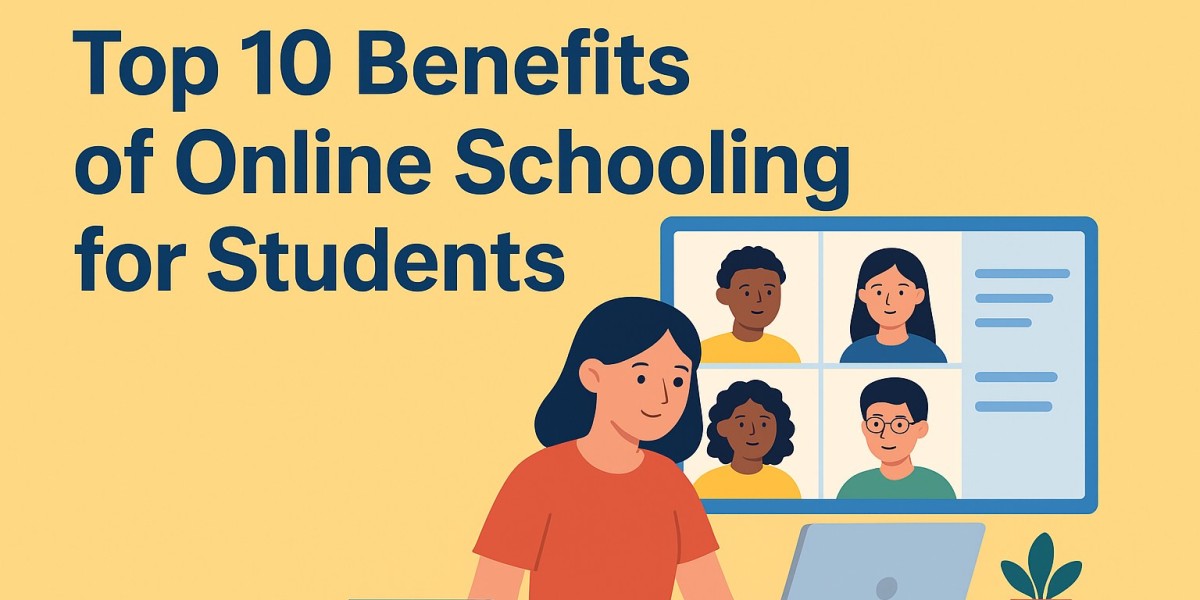
Education has changed dramatically over the past few years, and online schooling has emerged as one of the most powerful ways to learn. With flexible schedules, personalized learning, and access to world-class teachers, students today can receive quality education from anywhere in the world.
Whether you’re a parent exploring better options or a student looking for a modern learning experience, here are the top 10 benefits of online schooling that make it the future of education.
1. Flexible Learning Schedule
One of the biggest advantages of online schooling is flexibility. Students can attend classes, complete assignments, and revise lessons at their own pace. This flexibility helps children manage time effectively and balance academics with hobbies or family life.
2. Personalized Learning Experience
Every student learns differently. Online school allow students to progress at their own speed, revisiting lessons when needed. Many platforms use AI and adaptive learning tools to create personalized study paths that cater to individual learning styles.
3. Access to Global Education
Online schooling breaks geographical barriers. Students can enroll in international programs, interact with teachers from around the world, and gain global exposure—all without leaving home.
4. Safe and Comfortable Learning Environment
Parents value safety, and online schooling ensures students can learn in a secure and familiar environment. It also eliminates travel stress, uniform expenses, and the distractions of a crowded classroom.
5. Strong Focus on Digital Skills
Online learning naturally teaches students how to use technology responsibly and effectively. From virtual collaboration tools to online research and presentations, students gain the digital literacy they’ll need for college and future careers.
6. Affordable and Cost-Effective
Traditional schooling often involves tuition fees, uniforms, transportation, and lunch costs. Online schools are usually more affordable, offering high-quality education at a fraction of the cost—making learning more accessible to everyone.
7. Improved Concentration and Fewer Distractions
Virtual classrooms help students focus better by reducing peer pressure and classroom interruptions. With customized learning environments at home, children can concentrate more effectively on their studies.
8. Enhanced Parent Involvement
Parents can easily track their child’s performance through digital dashboards and regular reports. This visibility allows them to provide additional support and ensures a stronger homeschooling connection.
9. Development of Time-Management Skills
Online schooling encourages students to plan, prioritize, and stay organized—skills that are essential for success in both higher education and professional life.
10. Preparing Students for the Future
Online schooling fosters independence, adaptability, and self-motivation—qualities that help students thrive in a technology-driven world. It not only prepares them for college but also for online secondary schools and success in any career path.
Conclusion
Online schooling is more than just a convenient alternative—it’s a smarter, more flexible way to learn. By combining global access, digital innovation, and personalized teaching, online schools empower students to become confident, future-ready learners.
As technology continues to evolve, online schooling will only grow stronger—redefining what education means for the next generation.