When you're miles away from city lights, surrounded by silence, and the stars are your only roof, there's one thing you absolutely need — a trekking tent you can trust. Whether you’re facing light drizzles or chilling winds, the right trekking tent ensures you sleep safely and soundly through nature’s surprises. But how do you pick one that truly protects your rest?
In this blog, we’ll break down what makes a trekking tent the right fit, how to nature-proof your sleep, and what small details make the biggest difference in outdoor comfort.
Why a Good Trekking Tent Matters
Sleeping under the sky sounds beautiful — until reality hits. Think cold nights, sudden rain, crawling bugs, and strong winds. A good trekking tent doesn’t just give you a place to lie down. It gives you peace of mind.
You’re not just buying shelter. You’re choosing protection, warmth, privacy, and sleep quality — all in one fabric-made structure.
Key Features That Help Nature-Proof Your Sleep
When picking the right trekking tent, focus on these nature-proof features:
1. Weather Resistance
The weather in the wild is unpredictable. That’s why the best trekking tent must be water-resistant, windproof, and provide some insulation. Look for sealed seams, strong poles, and a waterproof floor to avoid waking up in a puddle.
2. Ventilation & Airflow
Without airflow, your tent becomes humid and uncomfortable. Choose a trekking tent with mesh windows or air vents. Good ventilation reduces condensation and keeps the inside fresh, even during long nights.
3. Insect Protection
A tent is your barrier against insects. Make sure your trekking tent has fine mesh netting to block even the tiniest bugs. The last thing you want is a mosquito-filled night after a long hike.
4. Compact & Lightweight
You’ll be carrying your trekking tent for hours. A compact and lightweight model makes a big difference. The lighter it is, the easier your journey becomes — especially on long trails or steep climbs.
5. Quick Setup & Pack Down
When you're tired or it’s getting dark, quick setup saves energy. A user-friendly trekking tent with simple clips or poles lets you focus on rest, not wrestling with parts.
How to Choose the Right Size for Comfort
Your trekking tent must match your needs. Solo travelers usually go for a one-person tent, while duos might choose a two-person model. However, don’t just count heads — think about space for your gear, movement, and comfort.
It’s smarter to go a size up if weight isn’t a concern. A little extra room can make a big difference after a tiring trek.
Tent Shape: Does It Matter?
Yes, the shape of your trekking tent can affect performance:
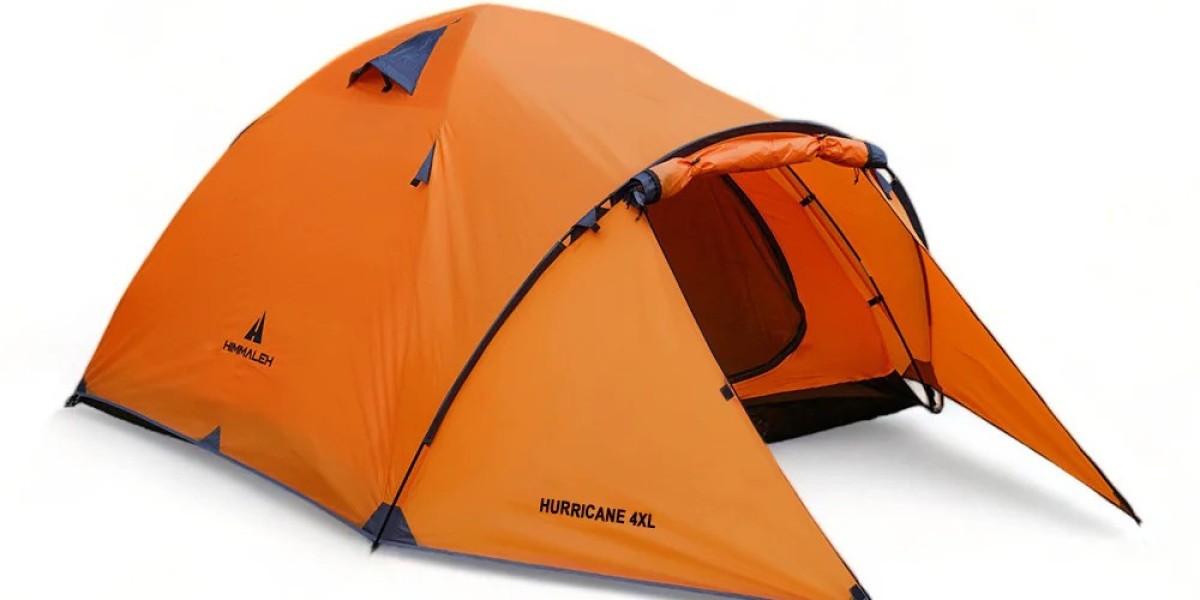
- Dome tents: Great for wind resistance and easy setup.
- Tunnel tents: Offer more space but need better staking.
- Pyramid tents: Lightweight and simple but need center support.
Choose the shape based on your usual terrain and sleeping preferences.
Ground Protection: Don’t Forget the Base
Your tent floor must handle damp ground, rocks, and roots. A trekking tent with a tough, waterproof base keeps you dry and prevents tearing. Using a groundsheet underneath adds extra durability and insulation from the cold earth.
Sleeping Warm: How a Tent Helps
A trekking tent traps your body heat and reduces wind exposure. Pairing it with a good sleeping mat and bag turns it into a mini-shelter that holds warmth, even on frosty nights.
Smaller tents heat up faster, while bigger ones feel more open but may stay cooler. Choose based on your comfort and expected weather.
Real Stories: What Trekkers Say About Their Tents
Ask any experienced trekker — their trekking tent has seen storms, snow, unexpected guests (like squirrels!), and moonlit peace. The right tent is more than gear. It becomes a part of your journey.
Sleeping well on a trek isn’t a luxury — it’s a necessity. When your body rests properly, your next day’s hike is safer, stronger, and more enjoyable.
Maintenance Tips to Keep Your Tent Nature-Ready
Even the best trekking tent needs care:
- Always dry your tent fully before packing
- Clean it gently after each trip
- Store in a cool, dry place
- Check for small tears and repair immediately
These habits extend your tent’s life and keep your sleep safe every time.
Final Thoughts: Sleep Smart, Trek Better
Nature-proofing your sleep means investing in the right trekking tent. From waterproofing to insect control and size to shape, every detail matters. A good night’s sleep on the trail doesn’t just recharge your body — it recharges your spirit too.
The right trekking tent is the difference between a restless night and waking up ready to conquer mountains.