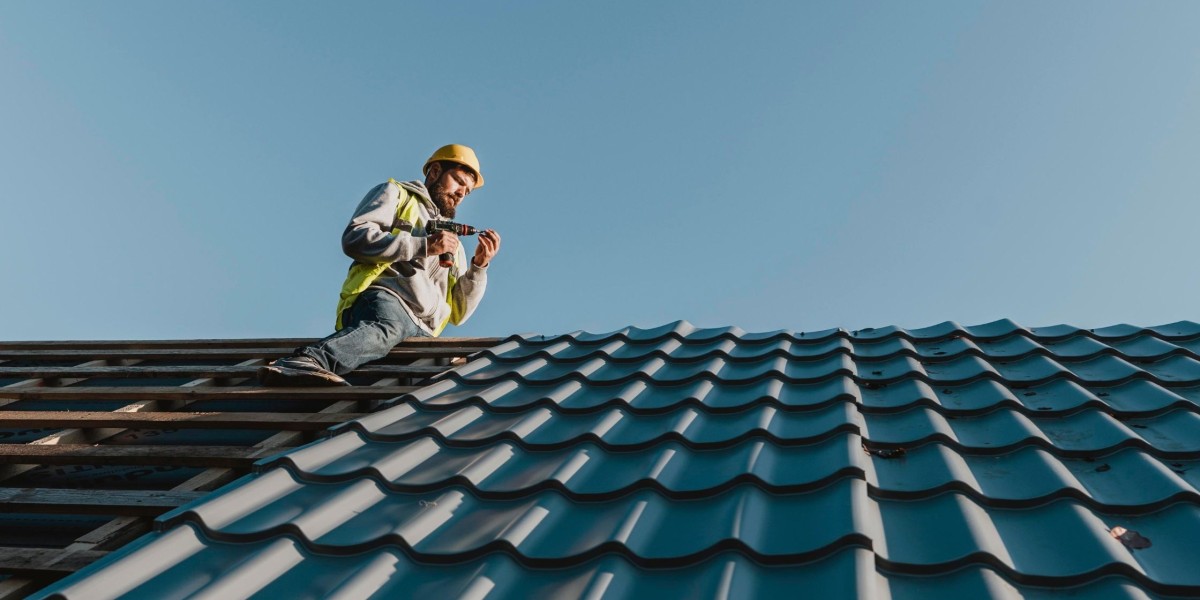
Flat roof coatings have become an essential solution for protecting, restoring, and extending the lifespan of commercial and residential flat roofs. Whether applied to aging roofs or new installations, these coatings provide a seamless, waterproof barrier that enhances durability, improves energy efficiency, and reduces maintenance costs. With increasing exposure to harsh weather, UV radiation, and temperature fluctuations, investing in the right flat roof coating is one of the most effective ways to preserve your roof and avoid expensive replacements.
This comprehensive guide explains everything you need to know about flat roof coatings, including their benefits, types, application process, and how to choose the best option.
What Are Flat Roof Coatings?
Flat roof coatings are liquid-applied protective layers designed to cover and seal flat or low-slope roofs. Once applied, the coating cures into a continuous membrane that protects the underlying roofing material from water penetration, sunlight, and environmental damage.
These coatings are commonly used on:
Commercial buildings
Industrial facilities
Residential flat roofs
Warehouses
Retail buildings
Flat roof coatings work by creating a flexible, waterproof barrier that expands and contracts with temperature changes, preventing cracks and leaks.
Key Benefits of Flat Roof Coatings
1. Extends Roof Lifespan
One of the most important benefits of flat roof coatings is their ability to extend the life of your roof by 10 to 20 years or more. Instead of replacing the entire roof, coatings restore and protect the existing structure.
2. Waterproof Protection
Flat roofs are especially vulnerable to standing water, also known as ponding. A high-quality coating creates a seamless waterproof membrane, preventing leaks and water damage.
3. Improves Energy Efficiency
Reflective roof coatings, particularly white or light-colored ones, reflect sunlight and reduce heat absorption. This helps:
Lower indoor temperatures
Reduce air conditioning costs
Improve overall building energy efficiency
This is especially beneficial in hot climates where cooling expenses are high.
4. Cost-Effective Alternative to Replacement
Roof replacement is expensive and disruptive. Flat roof coatings provide a cost-effective restoration option, saving up to 70% compared to full replacement.
5. UV and Weather Protection
Constant exposure to UV rays can degrade roofing materials. Roof coatings protect against:
UV radiation
Rain and moisture
Wind damage
Thermal expansion and contraction
Types of Flat Roof Coatings
There are several types of flat roof coatings available, each designed for specific conditions and requirements.
1. Acrylic Roof Coatings
Acrylic coatings are among the most popular and affordable options. They are water-based, easy to apply, and offer excellent UV protection.
Advantages:
Highly reflective
Affordable
Environmentally friendly
Easy application
Best for: Warm and dry climates.
2. Silicone Roof Coatings
Silicone coatings are known for superior waterproofing and durability. They perform exceptionally well in areas with frequent rain or standing water.
Advantages:
Excellent water resistance
Long lifespan
Resistant to ponding water
Strong UV protection
Best for: Wet and humid environments.
3. Polyurethane Roof Coatings
Polyurethane coatings are extremely durable and resistant to impact and foot traffic.
Advantages:
High durability
Excellent adhesion
Resistant to mechanical damage
Best for: Industrial buildings and roofs with heavy foot traffic.
4. Elastomeric Roof Coatings
Elastomeric coatings are highly flexible and can stretch and contract without cracking.
Advantages:
Flexible and durable
Excellent waterproofing
Long-lasting protection
Best for: Areas with extreme temperature variations.
How Flat Roof Coatings Are Applied
Proper application is essential to ensure maximum performance and longevity.
Step 1: Roof Inspection
The roof is inspected to identify damage, leaks, cracks, or weak areas.
Step 2: Cleaning the Surface
The roof is thoroughly cleaned to remove dirt, debris, oil, and loose materials. This ensures proper adhesion.
Step 3: Repairs and Preparation
Cracks, seams, and damaged areas are repaired before applying the coating.
Step 4: Applying the Coating
The coating is applied using:
Rollers
Brushes
Spray equipment
Multiple layers may be applied for maximum protection.
Step 5: Drying and Curing
The coating is allowed to dry and cure, forming a seamless waterproof membrane.
How to Choose the Best Flat Roof Coating
Selecting the right flat roof coating depends on several factors.
Consider Your Climate
Hot climates: Acrylic or reflective coatings
Wet climates: Silicone coatings
Cold climates: Elastomeric coatings
Roof Condition
Older roofs may require thicker or more durable coatings.
Budget
Acrylic coatings are more affordable, while silicone and polyurethane offer longer durability.
Roof Usage
If your roof has heavy foot traffic, choose a durable coating like polyurethane.
Maintenance Tips for Flat Roof Coatings
To maximize the lifespan of your coating, follow these maintenance practices:
Inspect the roof at least twice per year
Clean debris regularly
Repair minor damage promptly
Ensure proper drainage to prevent ponding water
Regular maintenance ensures long-term performance and protection.
When Should You Apply Flat Roof Coatings?
Flat roof coatings are ideal when:
Your roof is aging but structurally sound
You want to prevent leaks
You want to improve energy efficiency
You want to extend roof lifespan
You want to avoid expensive roof replacement
If your roof has severe structural damage, replacement may be necessary before coating.
Environmental and Energy Benefits
Flat roof coatings also contribute to sustainability. Reflective coatings reduce heat absorption, lowering energy consumption and reducing carbon footprint. Many coatings are environmentally friendly and help buildings meet energy efficiency standards.
Conclusion
Flat roof coatings are one of the most effective and affordable solutions for protecting and restoring flat roofs. They provide waterproof protection, improve energy efficiency, extend roof lifespan, and reduce maintenance costs. With various options such as acrylic, silicone, polyurethane, and elastomeric coatings, building owners can select the best solution based on climate, budget, and roof condition.
By investing in high-quality flat roof coatings and proper maintenance, you can protect your property, improve performance, and avoid costly roof replacements for many years.