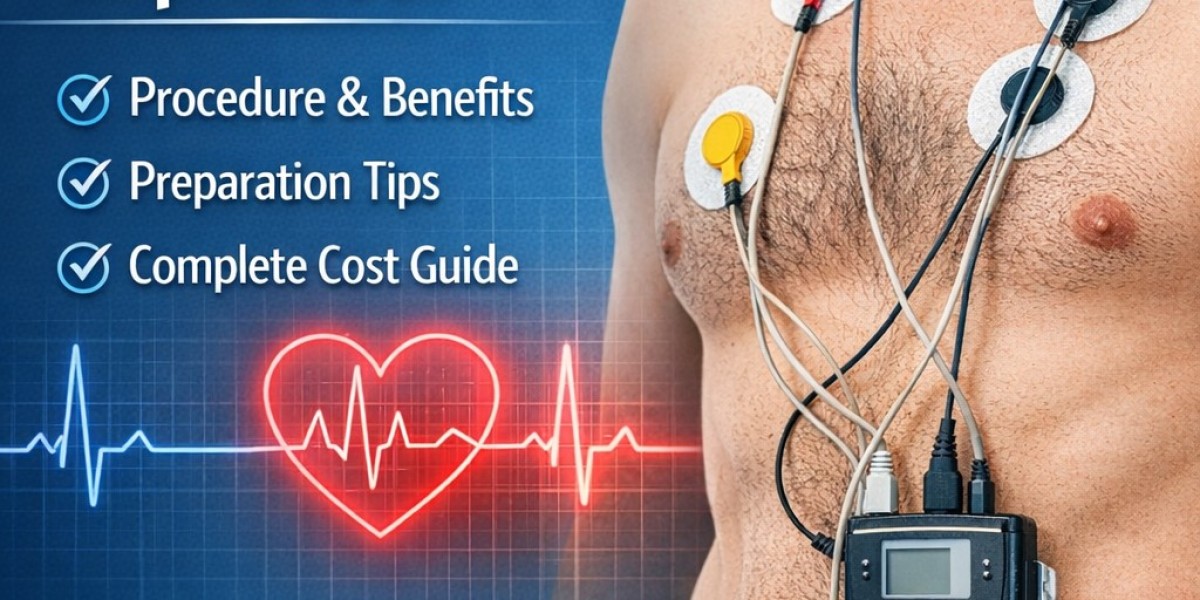
Heart health is one of the most important aspects of overall well-being. When patients experience symptoms such as palpitations, dizziness, irregular heartbeats, or unexplained chest discomfort, doctors often recommend continuous heart monitoring to detect any underlying abnormalities. Many people search for a Holter test near me when advised by their physician, as this diagnostic test helps monitor heart rhythm over 24 to 48 hours. Understanding the Holter test cost is equally important for patients who want clarity about affordability and planning.
In this detailed guide, we will explain what a Holter test is, how it works, its benefits, preparation tips, and the factors that influence Holter test cost in Delhi.
What is a Holter Test?
A Holter test, also known as Holter monitoring, is a portable electrocardiogram (ECG) device that continuously records your heart’s electrical activity for 24 to 48 hours or sometimes longer. Unlike a standard ECG, which records heart activity for just a few minutes, a Holter monitor tracks heart rhythm during normal daily activities and even while sleeping. This test is especially useful when heart irregularities do not appear during a routine ECG. The portable device is small, battery-operated, and attached to your chest using electrodes.
Why is a Holter Test Recommended?
Doctors recommend a Holter test if a patient experiences:
- Frequent palpitations
- Unexplained fainting (syncope)
- Irregular heartbeat (arrhythmia)
- Dizziness or lightheadedness
- Chest discomfort without clear ECG findings
- Monitoring pacemaker function
The test helps identify heart rhythm problems that may not be detected during a brief clinical examination.
How Does the Holter Test Work?
The procedure is simple and non-invasive. Here’s how it works:
- Small electrodes are attached to your chest.
- These electrodes connect to a portable recording device.
- The device continuously records heart activity.
- You are asked to maintain a diary of activities and symptoms.
- After 24–48 hours, the device is removed, and the data is analyzed.
The recorded data allows doctors to correlate symptoms with heart rhythm changes.
Holter Test Cost in Delhi
The Holter test cost in Delhi generally ranges between ₹3,500 and ₹7,000, depending on several factors. The price can vary based on:
- Location of the diagnostic center
- Duration of monitoring (24 hours vs 48 hours)
- Type of monitoring device used
- Additional cardiologist consultation charges
- Hospital vs standalone diagnostic center
Metro cities may have slightly higher pricing compared to smaller towns. However, many reputed diagnostic centers offer affordable packages to ensure accessibility. It is always recommended to compare services, check equipment quality, and ensure the presence of qualified cardiologists before finalizing a center.
Factors That Affect Holter Test Cost
Understanding what influences the Holter test cost can help you make an informed decision.
1. Duration of Monitoring
A 24-hour Holter test typically costs less than a 48-hour monitoring test.
2. Technology Used
Advanced digital Holter monitors with higher accuracy may slightly increase the price.
3. Diagnostic Center Reputation
Well-known hospitals and cardiac specialty centers may charge more due to advanced infrastructure and expert analysis.
4. City and Location
Prices in metropolitan cities like Delhi are usually higher compared to smaller cities.
5. Doctor’s Consultation
Sometimes the cost includes cardiologist interpretation fees; in other cases, it may be separate.
Benefits of a Holter Test
A Holter test provides several advantages:
Continuous Monitoring
It tracks heart rhythm continuously over a long period.
Accurate Diagnosis
Helps detect intermittent arrhythmias that a standard ECG might miss.
Non-Invasive & Safe
The test is painless and does not involve radiation.
Real-Life Monitoring
Records heart activity during normal daily activities.
Helps in Treatment Planning
Provides critical information for diagnosing and managing heart rhythm disorders.
How to Prepare for a Holter Test
Preparation for a Holter test is simple:
- Wear loose and comfortable clothing.
- Avoid applying lotions or oils on your chest.
- Take a bath before the test (you cannot bathe during monitoring).
- Inform your doctor about any medications you are taking.
During the test:
- Continue your daily routine unless advised otherwise.
- Keep the device dry.
- Record any symptoms in the activity diary.
Proper preparation ensures accurate test results.
Who Should Consider a Holter Test?
A Holter test is commonly recommended for:
- Patients with suspected arrhythmias
- Individuals with unexplained fainting spells
- People experiencing frequent palpitations
- Patients under heart treatment monitoring
- Those with pacemakers
If your doctor suggests long-term heart rhythm monitoring, searching for a reliable Holter test near me ensures timely diagnosis and treatment.
Is the Holter Test Safe?
Yes, the Holter test is completely safe. It does not emit radiation and simply records your heart's natural electrical signals. Some patients may experience minor skin irritation where electrodes are attached, but it is temporary.
Holter Test vs ECG: What’s the Difference?
A standard ECG records heart activity for a few minutes in a clinic setting. In contrast, a Holter test monitors continuously over 24–48 hours. This extended monitoring increases the chances of detecting irregular heart rhythms that occur occasionally.
Choosing the Right Diagnostic Center
When selecting a center for a Holter test, consider:
- Experienced cardiologists
- Modern digital monitoring equipment
- Clear pricing transparency
- Quick report turnaround
- Positive patient reviews
Comparing options carefully ensures you get accurate results at a reasonable Holter test cost.
When Will You Get the Results?
Typically, results are available within 24 to 72 hours after the device is returned. A cardiologist reviews the recorded data and provides a detailed report highlighting any abnormalities. If irregular rhythms are detected, your doctor may recommend medication, lifestyle changes, further testing, or specialized treatment.
Final Thoughts
Heart rhythm problems can sometimes go unnoticed during a routine ECG, making extended monitoring essential in certain cases. A Holter test is a simple, safe, and highly effective diagnostic tool that helps detect hidden cardiac abnormalities. Whether you are experiencing palpitations, dizziness, or unexplained fainting, timely testing can make a significant difference in diagnosis and treatment. Before scheduling the test, many patients search for a Holter test near me to find a reliable diagnostic center, compare services, and understand the Holter test cost to ensure affordability and quality care. Early detection and proper monitoring can help protect your heart health and provide peace of mind.