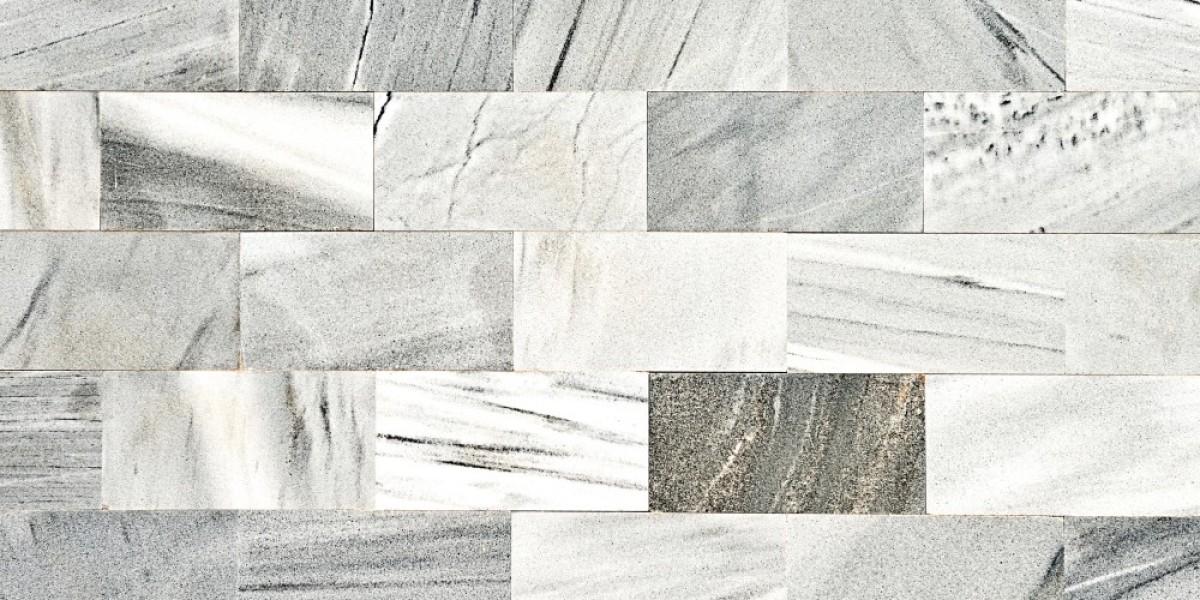
A Tile Design Brochure serves as a comprehensive showcase of these elements, presenting tile collections in a visually engaging and professionally organized format. It is a strategic marketing document that communicates both aesthetic appeal and technical reliability.
For tile manufacturers, exporters, distributors, and retailers, a well-crafted brochure strengthens brand image and enhances customer engagement.
The Strategic Role of a Tile Design Brochure
Customers today expect detailed product information along with inspiring visuals before making purchasing decisions. A tile design brochure meets these expectations by combining design creativity with technical clarity. It simplifies product comparison and helps buyers confidently choose the right tiles for residential, commercial, or industrial projects.
A professionally developed brochure can:
Highlight the full range of tile collections
Present new arrivals and premium designs
Provide complete technical specifications
Support sales and dealer marketing efforts
Increase brand recognition in competitive markets
By offering structured information in a polished format, it becomes an effective tool for long-term business growth.
Essential Components of an Effective Brochure
To make a lasting impact, a tile design brochure should include several key sections.
Captivating Cover Design
The cover page sets the first impression. Featuring a premium tile installation image with consistent branding elements creates an immediate sense of quality and professionalism.
Company Introduction
A brief overview of the company’s background, production capabilities, quality certifications, and market presence builds trust and credibility with clients.
Well-Organized Product Categories
Clear segmentation improves usability. Categories may include:
Floor tiles
Wall tiles
Porcelain collections
Ceramic collections
Outdoor and anti-slip tiles
Designer or luxury series
Organized sections make navigation simple and efficient.
Detailed Product Specifications
Each tile entry should provide:
Dimensions and thickness
Surface finish (matte, glossy, polished, textured)
Material composition
Recommended application areas
Performance and durability features
Accurate information ensures the brochure is practical for architects, designers, and contractors.
Visual Impact and Layout Design
High-resolution lifestyle photography is the heart of a tile design brochure. Images of tiles installed in kitchens, bathrooms, living areas, offices, and outdoor spaces help customers visualize real-world applications. Clean layouts with balanced white space enhance readability and give the brochure a premium appearance.
Including trend-driven designs—such as marble-look, wood-finish, or natural stone-inspired collections—keeps the brochure aligned with market demands.
Print and Digital Adaptation
Printed brochures are ideal for exhibitions, showroom displays, and in-person meetings, offering a tangible and high-end experience. Digital brochures provide flexibility and wider reach, allowing instant sharing via email and online platforms. Interactive elements like clickable navigation and QR codes add value to digital formats.
https://volarktiles.com/
Using both print and digital versions ensures maximum marketing effectiveness.
Conclusion
A Tile Design Brochure is more than a catalog—it is a professional blueprint that showcases your brand’s creativity, quality, and technical strength. By blending inspiring visuals with organized content and detailed specifications, it enhances customer confidence and supports sustainable business success. Investing in a well-designed brochure is a powerful step toward building a strong presence in the competitive tile industry.