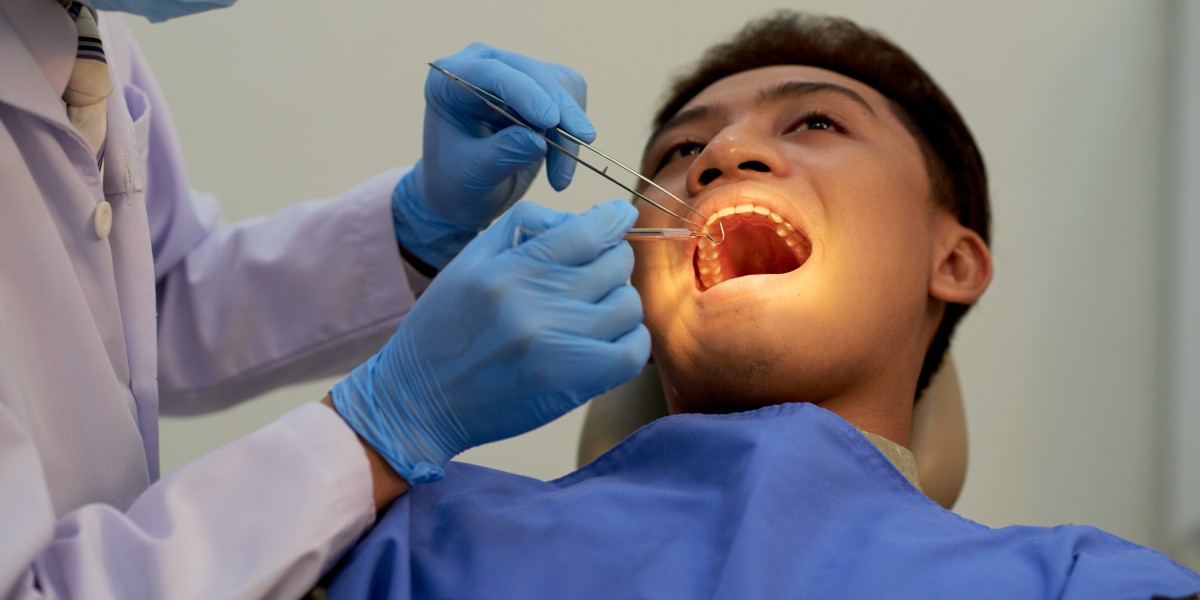
Wisdom tooth removal is one of the most common oral surgical procedures, yet recovery often feels more intense compared to a simple tooth extraction. Many patients wonder why discomfort, swelling, and healing time seem greater. Understanding what makes wisdom tooth recovery unique can help you prepare for smoother healing tooth extraction and reduce the risk of complications.
This comprehensive guide explains why wisdom tooth healing differs, what to expect during recovery, and how to support proper healing.
Why Wisdom Tooth Extraction Is Different
Wisdom teeth, also known as third molars, are located at the very back of the mouth. Because of their position, they often:
Become impacted (trapped under the gum or bone)
Grow at an angle
Partially erupt
Cause crowding or infection
Unlike simple extractions, wisdom tooth removal frequently involves surgical techniques such as:
Making an incision in the gum
Removing surrounding bone
Sectioning the tooth into smaller pieces
Placing stitches
These surgical steps naturally make healing tooth extraction for wisdom teeth slightly longer and more complex.
Healing Timeline for Wisdom Tooth Extraction
Although each patient heals differently, here is a general timeline for healing tooth extraction involving wisdom teeth:
First 24 Hours
Blood clot formation
Mild bleeding
Swelling begins
Days 2–3
Swelling peaks
Jaw stiffness may increase
Mild bruising may appear
Days 4–7
Pain decreases
Granulation tissue forms
Stitches may begin dissolving
Week 2
Gum tissue begins closing
Swelling mostly resolved
Weeks 3–4
Bone healing continues beneath the surface
Full bone remodeling may take several months.
Why Swelling Is More Common
Because wisdom tooth extraction often involves bone and tissue manipulation, inflammation is more noticeable. Swelling is a natural part of healing tooth extraction, especially after surgical removal.
To manage swelling:
Apply ice packs during the first 48 hours
Keep your head elevated
Avoid strenuous activity
Swelling typically peaks within 72 hours and gradually decreases afterward.
Jaw Stiffness and Limited Mouth Opening
Wisdom teeth are located near jaw muscles. Surgical manipulation may temporarily irritate these muscles, leading to:
Tightness
Difficulty opening the mouth fully
Mild soreness while chewing
This is a normal part of healing tooth extraction for wisdom teeth and usually improves within a week.
Higher Risk of Dry Socket
Dry socket risk may be slightly higher with wisdom tooth extraction due to:
Larger surgical site
Greater clot exposure
Back-of-mouth location
Protecting the blood clot is critical for proper healing tooth extraction.
Avoid:
Smoking
Using straws
Aggressive rinsing
Spitting forcefully
Nutrition Tips for Wisdom Tooth Healing
Eating properly supports faster healing tooth extraction.
Recommended soft foods:
Yogurt
Smooth soups
Mashed potatoes
Scrambled eggs
Oatmeal
Protein smoothies (without straws)
Avoid:
Crunchy snacks
Seeds or nuts
Spicy foods
Carbonated drinks
Nutrients like protein, vitamin C, and zinc play an important role in tissue repair.
Oral Hygiene After Wisdom Tooth Extraction
Maintaining oral hygiene is crucial but must be done carefully.
After 24 hours:
Begin gentle saltwater rinses
Brush other teeth normally
Avoid direct brushing over extraction site
Good hygiene reduces infection risk and promotes smooth healing tooth extraction.
Pain Management During Recovery
Discomfort is typically more noticeable with wisdom tooth removal compared to simple extractions. Pain should gradually improve within 3–5 days.
To manage pain:
Take prescribed medications as directed
Use cold compresses
Rest adequately
If pain worsens after day three instead of improving, it may indicate dry socket or infection affecting healing tooth extraction.
Stitches and Healing
Many wisdom tooth extractions require sutures.
There are two types:
Dissolvable stitches (disappear within 7–10 days)
Non-dissolvable stitches (require removal)
Stitches help protect the socket and support proper healing tooth extraction.
Activity Restrictions
Avoid heavy exercise or strenuous movement for at least 3 days. Physical exertion can increase bleeding and disrupt clot stability.
Light walking is generally safe and does not interfere with healing tooth extraction.
Smoking and Alcohol Considerations
Smoking significantly increases dry socket risk and delays healing tooth extraction. Avoid smoking for at least 72 hours, preferably longer.
Alcohol may interfere with medications and clot stability. Avoid it during early recovery.
Signs of Normal Healing
Healthy healing tooth extraction signs include:
Gradually decreasing pain
Reduced swelling after day three
Pink gum tissue forming
White granulation tissue in socket
Signs That Require Attention
Seek professional care if you experience:
Severe throbbing pain
Persistent heavy bleeding
Fever
Pus discharge
Difficulty swallowing
Numbness lasting beyond 24 hours
Prompt care ensures smooth continuation of healing tooth extraction.
Healing Tooth Extraction for Impacted Wisdom Teeth
Impacted teeth may require more extensive surgical work. Healing may take slightly longer due to:
Bone removal
Deeper incisions
Larger wound surface
Following aftercare instructions strictly ensures successful healing tooth extraction even in complex cases.
Long-Term Bone Healing
Even after gum tissue closes, bone remodeling continues beneath the surface. This stage is important if you are considering orthodontic treatment or implants later.
Complete healing tooth extraction at the bone level may take several months.
Emotional Comfort During Recovery
Wisdom tooth removal often causes anxiety due to expected swelling and discomfort. Understanding that temporary jaw stiffness, mild bruising, and gradual improvement are normal can reduce stress.
Tracking daily improvement reassures you that healing tooth extraction is progressing properly.
Frequently Asked Questions (FAQs)
How long does healing tooth extraction take for wisdom teeth?
Gum healing usually takes 1–2 weeks. Full bone healing may take several months.Is swelling worse with wisdom tooth removal?
Yes, because the procedure often involves surgery, swelling is typically more noticeable.When can I eat normally again?
Soft foods are recommended for about a week. Gradually return to normal diet as comfort improves.Are stitches always required?
Not always, but surgical wisdom tooth removal often involves sutures to support healing tooth extraction.How do I prevent dry socket after wisdom tooth removal?
Avoid smoking, straws, aggressive rinsing, and follow all aftercare instructions carefully.Is jaw stiffness normal?
Yes, mild stiffness is common and improves within several days.When should I worry about pain?
If pain intensifies after day three or becomes severe, seek evaluation.
Final Thoughts
Wisdom tooth removal differs from simple extractions due to surgical complexity, location, and tissue involvement. While swelling and jaw stiffness may be more noticeable, proper aftercare ensures smooth and successful healing tooth extraction.
Protect the blood clot, follow hygiene instructions, maintain a soft nutritious diet, and avoid smoking or strenuous activity. With the right approach, healing tooth extraction for wisdom teeth can progress comfortably and without complications.