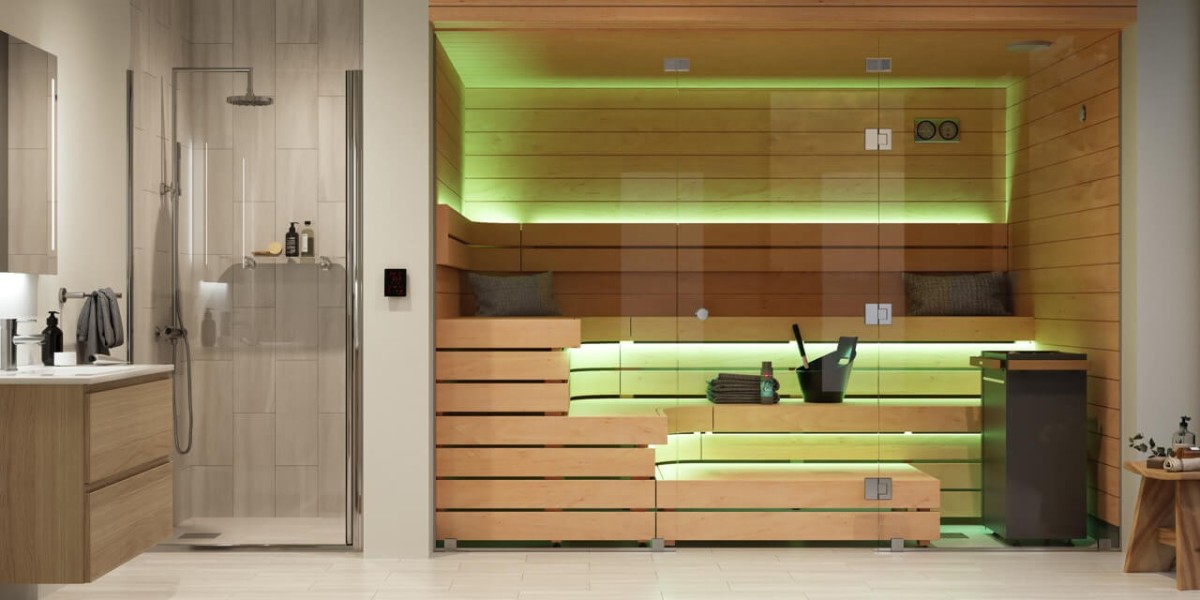
The pursuit of wellness at home has evolved dramatically over the last decade. What once required a trip to a spa or wellness retreat can now exist within the walls of an ordinary residence. Among the most valued additions is the home sauna, a space that blends restorative heat with ritual, privacy, and personal care. Whether someone seeks deep relaxation, detoxification, relief from chronic tension, or a quiet moment away from a fast-paced world, the allure of having a sauna just steps away has reshaped how people think about everyday well-being.
As the market expands, two primary forms of at-home heat therapy have emerged: the portable sauna and the built-in indoor sauna. Each represents a different approach to wellness. The portable model emphasizes convenience, flexibility, and accessibility, while the built-in home sauna prioritizes permanence, immersion, and a spa-like environment. Increasing interest in the infrared sauna adds another layer of consideration, introducing modern heat technology into both portable and built-in formats.
Choosing between these two options is not merely a matter of comparing price tags or measuring available space. It requires a deeper understanding of how each sauna influences long-term health, how it integrates into daily routines, and how it supports overall wellness habits year after year. What follows is an in-depth exploration—professional, balanced, and thoughtful—of the long-term value of portable and built-in saunas, designed to guide readers toward an informed decision that genuinely serves their lifestyle and health goals.
The Evolving Meaning of the Home Sauna
Before comparing portable and built-in options, it is helpful to understand the modern meaning of the home sauna. In previous decades, saunas were associated mostly with high-end homes or specialized health facilities. Today, however, wellness has become an integral part of daily living, and people increasingly see the home as a sanctuary that supports both mental and physical health.
A sauna in the home is no longer viewed purely through a lens of luxury. Instead, it is seen as a practical tool for relaxation, a personal recovery space, and a supportive environment for long-term self-care. The growing popularity of the infrared sauna, which offers a more energy-efficient and accessible form of heat therapy, has played a significant role in this shift. Infrared technology has made saunas less intimidating, easier to install, and more adaptable to modern lifestyles. Meanwhile, the traditional indoor sauna continues to hold its appeal for those who prefer high temperatures, wooden craftsmanship, and the sensory experience of a traditional heat chamber.
This wider range of options has created a natural spectrum between portability and permanence. Portable saunas entered the market as a response to people seeking convenience, affordability, and wellness without renovation. Built-in saunas, on the other hand, have broadened to include not only traditional steam environments but also custom infrared sauna rooms that combine modern technology with classic atmosphere.
The Portable Sauna: A Flexible Approach to Wellness
The portable sauna has become a popular entry point into the world of heat therapy, in large part due to its simplicity. Designed for easy setup and mobility, it accommodates individuals who want the benefits of a sauna without dedicating a room or undertaking construction. For city dwellers, renters, or those living in small homes, this flexibility is often the main attraction.
Most portable units lean heavily toward infrared sauna technology. Instead of heating the entire space, infrared systems warm the body directly, which allows the sauna to operate at lower temperatures. This makes the heat feel gentler and more accessible, especially for individuals who are new to sauna use or sensitive to traditional high temperatures. The controlled environment allows users to begin with short sessions and gradually increase their comfort as they become accustomed to the sensation.
The appeal of the portable sauna lies in its low barrier to entry. It can be folded, stored, or moved from room to room. It requires no special wiring and can often be plugged into a standard electrical outlet. For people who prioritize convenience or wish to incorporate sauna sessions into a frequently changing lifestyle, these qualities are invaluable.
Yet portability brings inherent limitations. A portable sauna cannot fully recreate the environment of a dedicated indoor sauna. The compact design restricts movement and reduces the sense of immersion. While the heat is effective, the atmosphere is utilitarian rather than spacious or meditative. Over time, some users may find that the lighter materials do not age as gracefully as the wood and hardware of a built-in home sauna. For occasional wellness sessions, the portable sauna remains a reliable option—but for those envisioning sauna therapy as a lifelong ritual, its limitations can become noticeable.
The Built-In Indoor Sauna: A Sanctuary for Ritual and Routine
In contrast, a built-in indoor sauna represents a lasting commitment to a higher level of wellness. Its presence in the home is not temporary or occasional; rather, it becomes a dedicated environment designed for regular use and deep relaxation. Whether installed in a bathroom, basement, spare room, or home gym, a built-in sauna becomes part of the architectural fabric of the home. It invites the user to step into a quiet, contained space that feels distinct from the rest of the house.
The design of a built-in home sauna allows for an experience that is both physically comfortable and emotionally grounding. The warm wood absorbs heat, the benches provide space to recline or stretch, and the insulation holds warmth evenly across the room. This environment encourages longer and more intentional sessions—something essential to the long-term health benefits associated with sauna use.
A built-in sauna offers complete control over the type of heat. Some homeowners choose a traditional steam environment. Others prefer the gentler, deeper heat of an infrared sauna, which warms the body through radiant waves rather than convection. Still others opt for a hybrid design that combines both types of heat within one enclosed space. This ability to tailor the sauna to personal preference enhances its long-term value.
Because a built-in sauna becomes a permanent part of the home, it often encourages routine. People who invest in an indoor sauna find themselves using it more consistently—whether as a nightly wind-down, a weekend ritual, or a recovery session after exercise. Consistency is the cornerstone of long-term wellness, and in this sense, the built-in sauna holds a natural advantage.
Long-Term Wellness: A Deeper Look at the Benefits
When comparing portable and built-in saunas, it is essential to focus not just on the initial experience but on how each supports wellness over the course of years. Heat therapy yields its greatest benefits when practiced regularly. This includes improved circulation, metabolic support, stress reduction, muscle relaxation, enhanced recovery, and deeper sleep. The question, then, is not simply which sauna provides heat, but which one most effectively integrates into a long-term wellness lifestyle.
A portable sauna encourages accessibility. Its user-friendly design makes it easy to incorporate quick sessions into a busy schedule. It is especially beneficial for people who want to begin with gentle heat and gradually increase their tolerance. For individuals managing chronic conditions, or for those who travel often and appreciate a device that can move with them, the portable sauna supports long-term wellness by meeting them where they are.
A built-in home sauna, by comparison, fosters depth and ritual. The sensory experience—the warmth of the wood, the enveloping heat, the quiet environment—creates a space that invites mindfulness. Users often find that a built-in indoor sauna transforms into a personal retreat, a place to disconnect from noise, responsibilities, and stress. Over time, this emotional and mental benefit becomes as significant as the physical one.
The built-in sauna also tends to deliver a wider range of heat experiences, including higher temperatures and more intense sweating, which can amplify detoxification, cardiovascular support, and muscle recovery. For people dedicated to long-term wellness, athletic performance, or comprehensive relaxation, the built-in sauna can feel more complete.
Integration Into Daily Life
Ultimately, the long-term value of a sauna—portable or built-in—depends on how naturally it fits into the user’s life.
A portable sauna integrates easily into unpredictable schedules. It can be used in different rooms, stored out of sight, and shared among family members without formal structure. This flexibility supports wellness for individuals who do not wish to designate a specific area of their home exclusively for sauna use.
A built-in indoor sauna integrates differently. It becomes a stable environment, always ready, always present. It does not require assembly or additional setup. The moment one steps inside, the space signals relaxation and separation from daily demands. This stability encourages consistent use and a ritualistic approach to wellness that may feel easier to maintain long-term.
Making the Right Choice for Yourself
Choosing between a portable sauna and a built-in home sauna is not about identifying the universally “best” option—it is about choosing the one that aligns with your life, your environment, your habits, and your vision of long-term wellness.
Some people need flexibility, affordability, and simplicity. For them, the portable infrared sauna serves as a practical and effective tool.
Others desire immersion, design integrity, and a dedicated wellness environment. For them, a built-in indoor sauna offers a calming, enduring sanctuary.
Both contribute meaningfully to well-being. Both provide heat, restoration, and the emotional comfort of having a private retreat at home. The difference lies in how one intends to use that retreat—occasionally, frequently, or as a lifelong wellness practice embedded into the rhythm of each week.
Conclusion
Heat therapy is one of the oldest and most respected wellness traditions in the world. Whether delivered through a portable infrared sauna or a built-in home sauna crafted from aromatic wood, its benefits endure across cultures and centuries. As more people prioritize wellness within their living spaces, the conversation is shifting from whether a sauna belongs in the home to which type of sauna best serves long-term well-being.
A portable sauna offers accessibility. A built-in indoor sauna offers immersion. Both have their place, and both have the power to transform the home into a center of calm and recovery. The decision ultimately reflects your lifestyle, your space, and the way you want wellness to shape your daily life for years to come.