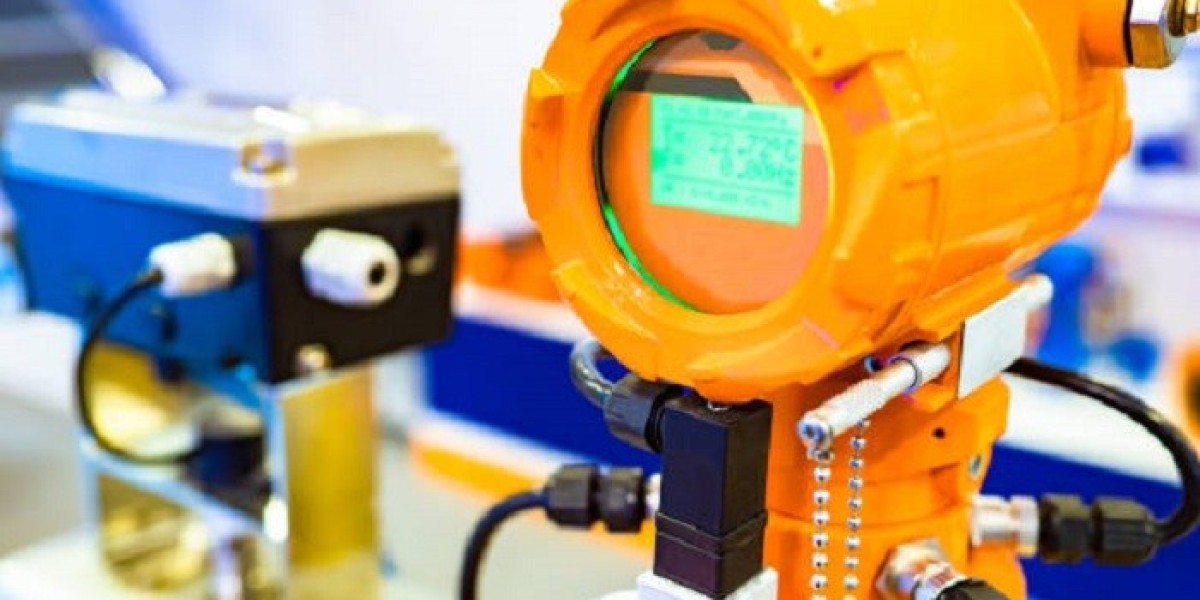
Thermal mass flow meters play a major role in modern gas measurement. They appear in laboratories. They appear in industrial plants. They appear in environmental monitoring systems. Many engineers rely on them because they offer accuracy, stability, and direct mass flow measurement. A common question arises, however, when industries must measure more than one type of gas. They want to know whether these devices can measure both pure gases and gas mixtures. The answer requires a clear understanding of how the technology works, how gases behave under thermal conditions, and how calibration methods affect performance.
This article explains these details. It uses simple clauses. It offers clear subheadings. It presents a complete overview suitable for engineers, technicians, and students who want a deeper understanding of this important question.
Understanding the Basic Principle of Thermal Mass Flow Meters
How Heat Transfer Creates a Measurement
Thermal mass flow meters operate through heat transfer. A heated sensor sits in the gas stream. As gas moves past the sensor, it removes heat. The rate of heat loss depends on the mass flow rate of the gas. A faster mass flow removes more heat. A slower mass flow removes less heat. The device measures the change in temperature or power. It converts that change into a mass flow reading.
This method does not depend on gas density. It does not depend on gas pressure. It does not depend on gas temperature in the same way that differential pressure meters do. Instead, it depends on the thermal properties of the gas.
Why Thermal Properties Are Important
Different gases conduct heat differently. Some gases remove large amounts of heat quickly. Others remove less heat. This difference means that thermal mass flow meters require calibration for specific gases. The meter must “know” the thermal conductivity of the gas in order to provide an accurate reading.
This requirement becomes crucial when measuring gas mixtures.
Measuring Pure Gases With Precision
Why Pure Gas Measurement Is Straightforward
Thermal mass flow meters measure pure gases with high accuracy. A pure gas has predictable thermal behavior. Its heat capacity is stable. Its thermal conductivity does not shift. The meter can apply a calibration curve for that particular gas. The reading becomes precise and repeatable.
Pure gases like nitrogen, air, oxygen, carbon dioxide, and argon are common examples. These gases are easy for thermal mass flow technology. Many meters come pre-calibrated for these gases. They deliver accurate readings immediately.
Examples From Real Industrial Use
Factories use thermal mass flow meters for nitrogen purging. Laboratories use them for pure oxygen control. Semiconductor plants use them for highly controlled gas feeds. All of these tasks require careful flow control, and thermal meters work reliably under these conditions.
The key success factor here is consistency. Pure gases behave consistently.
Challenges in Measuring Gas Mixtures
Why Mixtures Are More Complex
Gas mixtures behave differently from pure gases. Their thermal properties depend on the combination of gases present. If the mixture ratios change, the thermal conductivity changes. If the thermal conductivity changes, the heat-loss pattern shifts. This shift affects measurement accuracy.
A gas mixture is rarely as stable as a pure gas. Even small variations in composition can create large shifts in thermal behavior.
How Composition Changes Affect Measurement
When a mixture’s composition shifts, the meter may assume the wrong thermal conductivity. This assumption causes the meter to interpret heat loss incorrectly. It may overestimate mass flow. It may underestimate mass flow.
For example, consider a gas mixture that contains nitrogen and carbon dioxide. Nitrogen carries heat differently from carbon dioxide. If the percentage of carbon dioxide shifts, the reading may drift.
When Mixtures Become Difficult to Measure
Thermal mass flow meters struggle most when mixtures change rapidly or unpredictably. Fluctuating composition makes calibration unreliable. Processes with continuously changing gas emissions, such as combustion exhaust or vent gas systems, often challenge thermal meters unless additional technology compensates for mixture variability.
Solutions That Allow Thermal Meters to Measure Gas Mixtures
Using Predefined Gas Mixture Calibration
Some gas mixtures are stable. For example, medical breathing gases may have known ratios. Specialty welding mixtures may also be stable. When the mixture is stable, manufacturers can calibrate the meter for that exact mixture.
In this case, thermal mass flow meters can measure the mixture accurately. The calibration curve represents the combined thermal properties of the gas blend.
Using Gas Correction Factors
Some systems apply correction factors. A correction factor adjusts readings based on known thermal characteristics of each gas component. Correction factors work best when the mixture is simple and stable. They work less well when mixture composition changes.
Using Smart Meters With Multigas Capabilities
Modern thermal mass flow meters sometimes include multigas calibration. These meters store calibration curves for several gases. They allow the user to switch between gases. Some advanced models estimate gas composition based on heat transfer patterns.
These models improve performance with mixtures. However, they still require stable mixture compositions for best accuracy.
Comparing Performance Between Pure Gases and Mixtures
Stability of Readings
Thermal mass flow meters produce very stable readings for pure gases. The sensor experiences predictable heat transfer.
For mixtures, stability depends on consistency. If the mixture composition does not change, the reading remains stable. If the mixture composition shifts often, measurement stability decreases.
Accuracy Differences
Accuracy is highest when measuring pure gases. Accuracy decreases as mixture variability increases.
This difference occurs because the meter assumes a consistent thermal property value. When that assumption fails, the reading becomes less accurate.
Applications Where Mixture Measurement Works Well
Gas mixtures with fixed ratios work well with thermal mass flow technology. For example, certain specialty industrial gases have constant compositions. Fuel mixtures used in specific burners may also remain stable.
Applications Where Mixtures Become Difficult
Gas mixtures with unpredictable compositions, such as flare gas or vent gas, create challenges. Because composition changes often, accuracy suffers. Some systems pair thermal mass flow meters with gas analyzers to compensate for these shifts.
Why Calibration Matters Most
The Importance of Proper Calibration
Thermal mass flow meters depend on correct calibration. Calibration ensures that the meter interprets heat loss correctly. For pure gases, this calibration is simple. For mixtures, this calibration becomes more complex.
How Calibration Errors Affect Results
If a meter uses calibration for the wrong gas, the reading can drift significantly. Engineers must ensure that the meter matches the gas or gas mixture.
Factory vs. Field Calibration
Manufacturers provide factory calibration for specific gases or mixtures. In some advanced systems, field calibration can adjust for real-use conditions. Field calibration can improve accuracy for mixtures but requires careful setup.
Conclusion
Thermal mass flow meters can measure both pure gases and gas mixtures. They perform excellently with pure gases because thermal properties remain consistent. They provide high accuracy, stable readings, and excellent repeatability. When dealing with gas mixtures, the answer becomes more complex. If the mixture composition is fixed and well-defined, thermal mass flow meters can measure it accurately with proper calibration.
If the mixture changes unpredictably, measurement becomes difficult. Thermal properties shift, accuracy declines, and readings lose stability. Engineers may need calibration adjustments, correction factors, or advanced multigas models to improve performance.
Understanding these differences allows system designers and operators to select thermal mass flow meters wisely. These meters remain valuable tools, but like any tool, they must match the job. When used correctly, they deliver reliable and efficient gas measurement across a wide range of industrial applications.