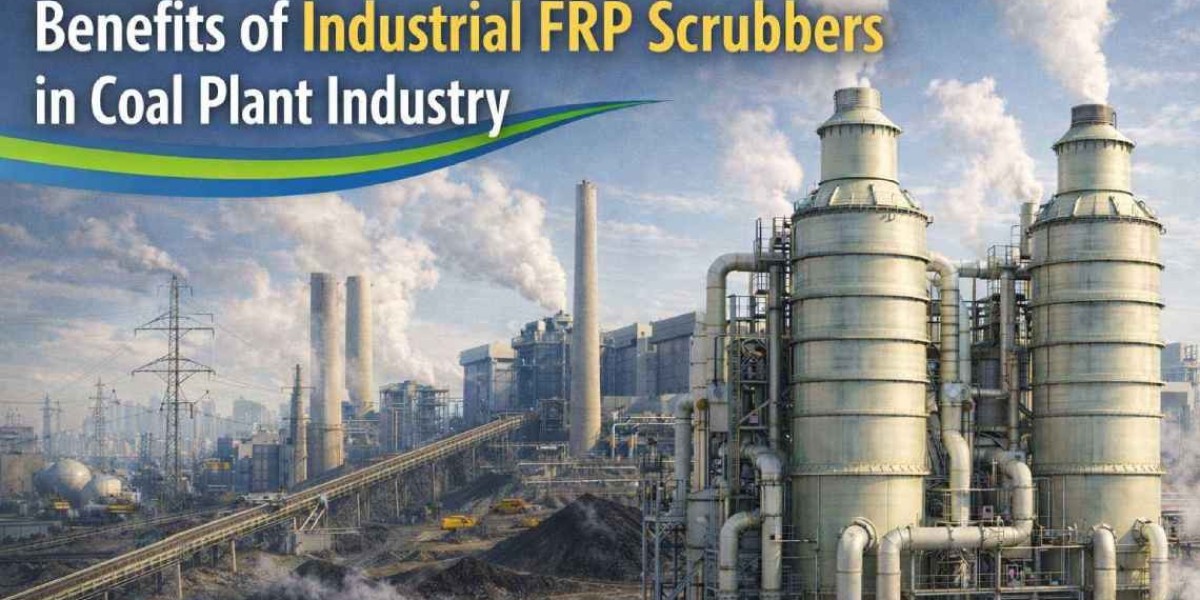
The global energy landscape is evolving, yet coal remains a significant pillar of power generation in many regions. However, this reliance comes with substantial environmental responsibilities. Coal plants face immense pressure to mitigate harmful emissions like sulfur dioxide (SO2) and particulate matter. Consequently, the demand for robust, long-lasting pollution control equipment has skyrocketed. Among the most effective solutions on the market today are Industrial FRP Scrubbers. These systems represent a paradigm shift from traditional metal scrubbers, offering unparalleled resistance to the harsh chemical environments found in coal-fired facilities. They are not just an investment in compliance; they are an investment in operational continuity.
Why FRP is the Material of Choice for Emission Control
For decades, coal plants utilized scrubbers constructed from carbon steel or stainless steel. While functional initially, these materials often succumb to the relentless assault of acidic corrosion. This is where Fiber-Reinforced Plastic (FRP) changes the game. The transition to polymer-based systems addresses the core weaknesses of metal. When you partner with experienced FRP Scrubber Manufacturers, you gain access to equipment engineered specifically for the aggressive chemistry of flue gas desulfurization (FGD). The inherent properties of FRP provide a distinct advantage over traditional metallurgy.
Superior Corrosion Resistance
The primary battle in any coal plant is against corrosion. Flue gases contain sulfur compounds that form highly acidic condensates. Industrial FRP Scrubbers are inherently resistant to this acidic attack. Unlike metal, FRP does not rust or corrode when exposed to chlorides or sulfates. This resistance ensures the structural integrity of the scrubber vessel over decades. It directly reduces the risk of catastrophic leaks. Therefore, plant operators can avoid costly emergency shutdowns.
Lightweight and High-Strength Construction
Another significant benefit lies in the material’s strength-to-weight ratio. FRP is remarkably lighter than steel. Consequently, it reduces the dead load on existing foundations and support structures. This characteristic simplifies installation, especially in retrofit projects where space and structural capacity are limited. Despite being lightweight, Industrial FRP Scrubbers offer exceptional mechanical strength. They withstand the high-velocity gas flows and pressure variations typical of coal plant operations.
Enhancing Efficiency with Fume Extraction Systems
Coal handling and combustion generate more than just stack emissions; they create fugitive fumes and dust. Modern pollution control strategies must address every stage of the process. Integrated Fume Extraction Systems are often a vital component of a comprehensive scrubber setup. These systems capture airborne contaminants at the source. They prevent harmful gases from escaping into the work environment. When combined with a main scrubber unit, they create a holistic solution. This ensures that the plant meets both ambient air quality standards and workplace safety regulations. The synergy between the scrubber and extraction hoods maximizes the capture rate of volatile organic compounds and acid mists.
The Search for Local Expertise: FRP Scrubber Near Me
When a coal plant faces a breakdown or a new environmental mandate, time is of the essence. Maintenance managers often begin a frantic search for "FRP Scrubber Near Me." However, proximity is just one piece of the puzzle. While local fabrication might seem convenient, it is crucial to verify the manufacturer's experience with coal plant applications. A nearby supplier might excel at making chemical tanks but lack the specific knowledge for high-temperature flue gas applications. Therefore, the search should prioritize expertise over geography. That said, working with a manufacturer who understands the logistical challenges of your region can streamline delivery and on-site support.
Optimizing Performance: The Packed Bed Design
When discussing Industrial FRP Scrubbers, the internal design is as important as the external material. The packed bed tower is the most common configuration for coal plant applications. In this design, a bed of packing material provides a large surface area. The scrubbing liquid flows over this packing, creating a thin film. Simultaneously, the flue gas rises through the same bed. This intimate contact maximizes mass transfer.
How Packed Bed Technology Works
The efficiency of a Scrubber for Pollution Control relies on this gas-liquid interaction. As the gas navigates around the packing, pollutants dissolve into the liquid. The selection of packing media—whether random dump packing or structured block—impacts pressure drop and removal efficiency. For coal plants, packed bed designs are highly effective at removing soluble gases like HCl and SO2. Furthermore, these systems can be designed in multiple stages. This allows for the removal of different pollutants in a single, unified vessel.
Customization by Packed Bed Scrubber Manufacturers
Not all coal plants are identical; their coal source, boiler type, and emission profiles vary widely. Therefore, customization is key. Leading Packed Bed Scrubber Manufacturers design towers based on specific flue gas analysis. They calculate the optimal bed depth and liquid distribution rates. This customization ensures that the unit operates at peak efficiency without wasting energy. By tailoring the design, manufacturers ensure that the Industrial FRP Scrubbers handle the exact chemical load with minimal pressure drop, thereby saving on fan energy costs.
Economic Advantages Beyond Compliance
Investing in high-end pollution control is often viewed as a cost center. However, Industrial FRP Scrubbers offer a compelling return on investment. Their durability translates to lower lifecycle costs. There is no need for expensive internal coatings or cathodic protection systems, which are necessary for metal vessels.
Reduced Maintenance and Downtime
Metal scrubbers require constant inspection for pitting and weld decay. In contrast, FRP offers monolithic corrosion resistance. This drastically reduces maintenance hours. A plant utilizing Industrial FRP Scrubbers benefits from higher uptime. The reliability of the scrubber means the plant can run continuously, maximizing power generation. Unplanned outages due to scrubber failure become a thing of the past.
Longevity in Harsh Environments
The operational lifespan of a well-fabricated FRP scrubber often exceeds that of its steel counterpart. While steel may require major repairs or replacement after a decade in high-sulfur environments, FRP vessels can continue performing effectively for 20 to 30 years. This longevity makes them the most sustainable choice for the coal industry. It reduces the frequency of capital reinvestment and the environmental cost of manufacturing replacement parts.
Meeting Stringent Global Standards
Environmental regulations are tightening worldwide. Governments are demanding lower emission limits than ever before. Industrial FRP Scrubbers are capable of achieving the high removal efficiencies required by these new rules. They consistently reduce SOx levels to single-digit parts per million. This capability allows coal plants to operate within legal frameworks. It also improves the public perception of the facility. By demonstrating a commitment to clean air through advanced technology, companies build goodwill with regulators and the community.
The Manufacturing Process and Quality Assurance
To achieve this level of performance, the fabrication process must be impeccable. Reputable manufacturers employ techniques like filament winding and hand lay-up, depending on the component. They use corrosion-resistant resins, such as vinyl ester or bisphenol, to line the interior. This resin-rich inner surface acts as the first line of defense against chemical attack. Quality assurance includes rigorous thickness testing and spark testing to detect any pinholes. When sourcing from top FRP Scrubber Manufacturers, clients receive documentation ensuring the vessel meets ASTM standards.
Conclusion: Future-Proofing Coal Operations
While the world transitions toward renewable energy, coal will remain part of the energy mix for the foreseeable future. To operate responsibly, these plants must embrace the best available technology. Industrial FRP Scrubbers represent that gold standard. They solve the persistent problem of corrosion while delivering high-efficiency pollution control. By integrating advanced Fume Extraction Systems and utilizing the proven packed bed technology, these scrubbers ensure that coal plants can operate cleanly and efficiently. Choosing the right partner from among the global FRP Scrubber Manufacturers is essential. It is a decision that safeguards the environment, protects public health, and secures the economic viability of the power plant for decades to come. Investing in FRP is not just a regulatory necessity; it is a strategic advantage in an increasingly eco-conscious world.