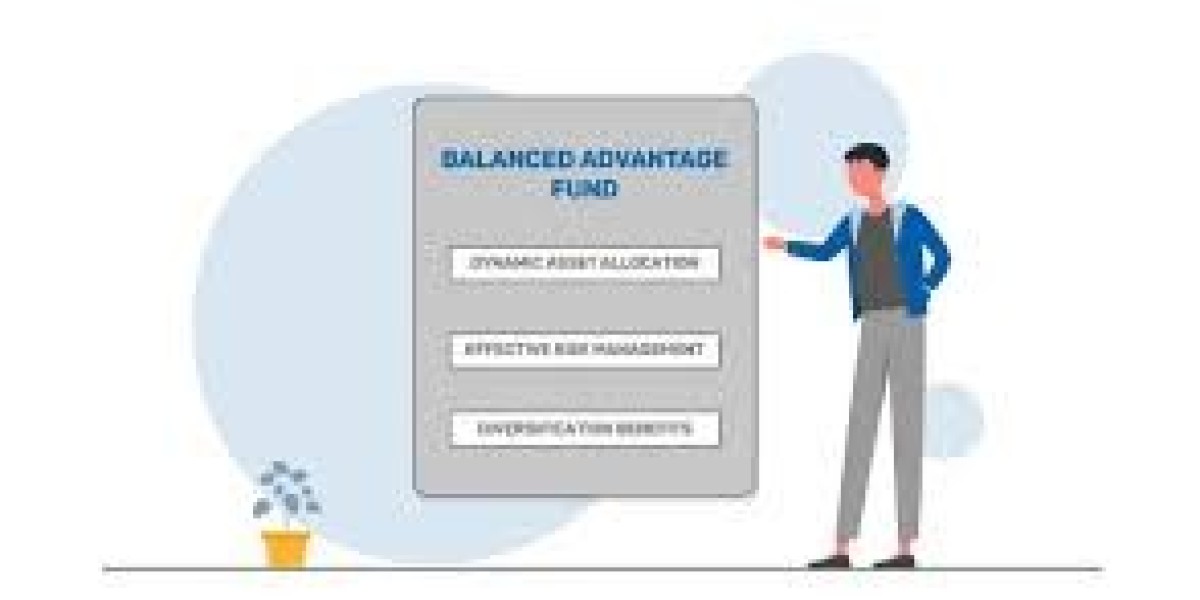
Investing is all about finding the right balance between risk and reward. For many investors, the challenge lies in managing market volatility while still aiming for decent returns. This is where a Balanced Advantage Fund (BAF) comes into play. It’s a dynamic investment option that adjusts its allocation between equity and debt based on market conditions, offering stability and growth in one package.
What Is a Balanced Advantage Fund?
A Balanced Advantage Fund is a type of hybrid mutual fund that dynamically shifts its exposure between equity and debt. When markets are bullish, the fund increases equity allocation to capture growth. During volatile or bearish phases, it moves towards debt instruments to protect capital. This flexibility makes BAFs ideal for investors who want to participate in equity markets without taking on excessive risk.
Why Balanced Advantage Funds Stand Out
- Dynamic Asset Allocation
Unlike traditional hybrid funds, BAFs don’t stick to a fixed ratio of equity and debt. They adapt to market trends, reducing risk during downturns and maximizing gains during rallies. - Tax Efficiency
Most BAFs maintain equity exposure above 65%, qualifying as equity funds for taxation purposes. This means long-term capital gains are taxed at favorable rates. - Reduced Volatility
By balancing equity with debt, these funds offer smoother returns compared to pure equity funds.
Role of Large Cap Funds in BAFs
Many Balanced Advantage Funds allocate a significant portion of their equity exposure to large cap funds. Large-cap companies are industry leaders with strong fundamentals, making them relatively stable compared to mid- or small-cap stocks. This strategy ensures that while the fund participates in market growth, it does so with a cushion of safety.
For example, during uncertain times, BAFs might lean heavily on large-cap stocks and debt instruments, minimizing risk. In bullish markets, they can increase exposure to equities, including large caps, to capture upside potential.
Who Should Invest in Balanced Advantage Funds?
- Investors seeking moderate risk with potential for equity-like returns.
- Those who prefer automatic rebalancing without actively managing their portfolio.
- Individuals looking for long-term wealth creation with reduced volatility.
Final Thoughts
A Balanced Advantage Fund offers the best of both worlds—growth from equities and stability from debt. By including large cap funds in their equity allocation, these funds provide a strong foundation for long-term investing. If you’re looking for a smart, adaptive strategy that cushions you against market swings while keeping you invested in India’s growth story, BAFs deserve a spot in your portfolio.
Mutual Fund investments are subject to market risks, read all scheme related documents carefully.