Southern Punjab holds a special place in Pakistan's culinary landscape, where centuries of tradition merge with bold flavors and generous hospitality to create dining experiences that linger in memory long after the last bite. From the aromatic biryanis to the succulent kebabs and the famous sohan halwa, this region's cuisine tells stories of ancient trade routes, cultural fusion, and agricultural abundance. Whether you're exploring bustling bazaars or seeking out a quality multan restaurant that honors traditional recipes while offering modern comfort, Southern Punjab's food scene promises an authentic taste of Pakistani heritage. The warmth of the people mirrors the richness of their food, making every meal not just sustenance but a celebration of community and culture that has been perfected over generations.
The Culinary Heritage of Southern Punjab
Southern Punjab's cuisine reflects the region's unique position as a historical crossroads where diverse cultures intersected and influenced each other. The food here carries traces of Mughal refinement, rustic village traditions, and the agricultural bounty of the fertile plains surrounding the five rivers that give Punjab its name.
The region's agricultural wealth provides the foundation for its exceptional cuisine. Wheat, the staple grain, transforms into various bread forms—from the pillowy softness of naan to the layered flakiness of paratha. Rice cultivation supports the elaborate biryani and pulao traditions that have become synonymous with festive occasions. The abundance of dairy products, particularly from buffalo milk, creates rich gravies, creamy lassi, and numerous dessert preparations.
Spice blends in Southern Punjab cooking tend toward bold, assertive flavors rather than subtle nuance. Generous use of red chili, cumin, coriander, and garam masala creates dishes that announce their presence. Yet beneath the heat lies complexity—the slight bitterness of fenugreek, the earthiness of turmeric, and the warming sweetness of cinnamon all play supporting roles in the region's signature preparations.
Meat occupies a central place in Southern Punjab's culinary identity. Mutton, chicken, and beef are prepared in countless ways, but certain preparations stand out. Sajji, though often associated with Balochistan, finds excellent expression in Southern Punjab, where whole marinated chickens or legs of lamb are roasted to smoky perfection. Karahi preparations, named after the wok-like vessel in which they're cooked, deliver meat in rich, tomato-based gravies that beg to be sopped up with fresh bread.
Street Food Culture and Local Favorites
The streets of Southern Punjab's cities pulse with food vendors offering quick, affordable, and incredibly flavorful options. This street food culture represents the region's culinary soul—unpretentious, generous, and deeply satisfying.
Samosas reign as perhaps the most ubiquitous street snack, their crispy, golden exteriors giving way to spiced potato or minced meat fillings. But Southern Punjab's samosas often carry extra heat and bold seasoning that distinguishes them from milder versions elsewhere. Paired with tangy tamarind chutney and fiery green chili sauce, they provide a perfect balance of textures and flavors.
Pakoras, or vegetable fritters, appear in numerous forms throughout the region. During monsoon season especially, pakora vendors attract crowds seeking these crispy, spiced treats alongside steaming cups of chai. Onion, potato, spinach, and even bread pakoras offer variety while maintaining that essential crispy exterior and soft interior contrast.
Chaat variations abound in Southern Punjab, from simple chickpea chaat to elaborate dahi bhalla preparations featuring lentil dumplings soaked in yogurt and topped with chutneys. These dishes expertly balance sweet, sour, spicy, and savory elements within single servings, creating complexity that belies their street food status.
Gol gappay, known as pani puri in other regions, represent pure joy in edible form. The crispy spheres filled with spiced water, chickpeas, and tamarind chutney deliver explosive flavor in each bite. Street vendors take pride in their secret pani recipes, some fiery and others more tangy, and watching them expertly fill and hand over each gappa demonstrates street food artistry.
Discovering Multan Ajwa Valley
Among the dining establishments that showcase Southern Punjab's culinary excellence, Multan Ajwa Valley has established itself as a destination for those seeking authentic flavors served with style and comfort. This establishment understands that great food begins with quality ingredients and respectful execution of traditional recipes, while also recognizing modern diners' expectations for ambiance and service.
Ajwa Valley's menu celebrates the diversity of Pakistani cuisine with particular emphasis on the robust flavors characteristic of Southern Punjab. Their biryani preparations exemplify the art form—fragrant basmati rice layered with tender meat, each grain separate yet infused with the complex spice blend that makes Pakistani biryani distinctive. The rice maintains its integrity while carrying the essence of saffron, cardamom, and the meat's juices, creating harmony in every spoonful.
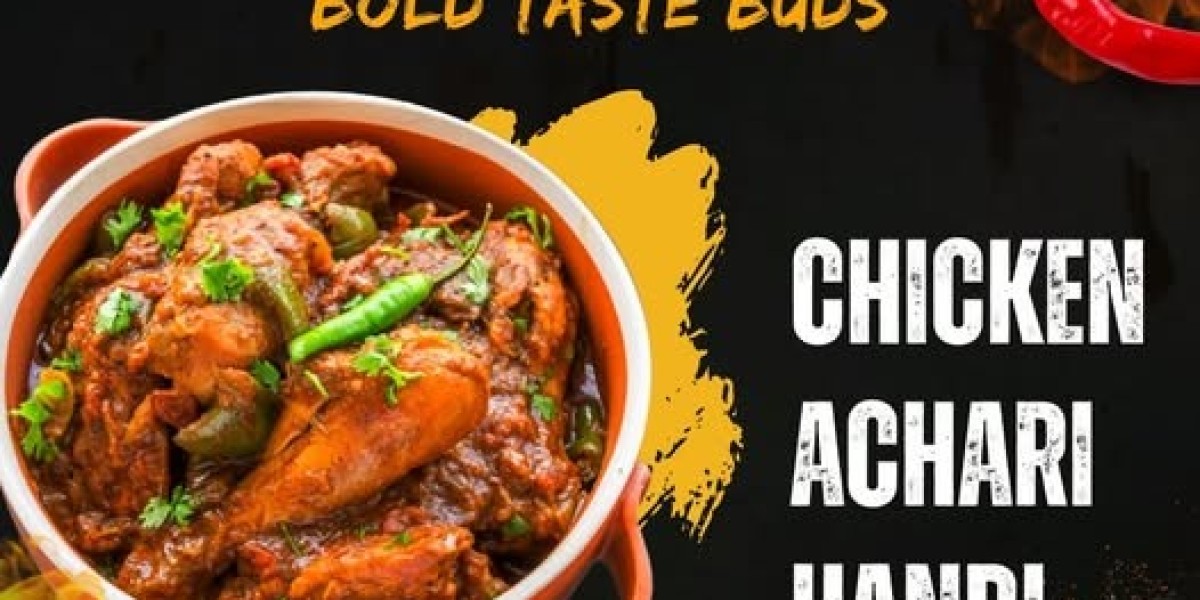
The restaurant's karahi offerings deserve special mention. Prepared in traditional karahi vessels over high heat, these dishes achieve the slightly charred, concentrated flavors that define exceptional karahi. Whether opting for mutton, chicken, or fish, diners encounter meat cooked to perfect tenderness in gravies that balance tomato acidity with aromatic spices. Fresh ginger, garlic, and green chilies add brightness and heat, while fresh coriander provides herbal notes that lift the rich base.
When searching for the best multan restaurant experience that captures both authenticity and contemporary dining comfort, Ajwa Valley delivers through attention to detail in both kitchen and dining room. The establishment's commitment to maintaining traditional cooking methods while ensuring consistency and quality has earned it recognition among locals and visitors alike, making it a reliable choice for anyone seeking to understand Southern Punjab's food culture through well-executed examples of the region's most beloved dishes.
Bread service at Ajwa Valley showcases the importance of fresh, properly prepared accompaniments. Their naan emerges from the tandoor with characteristic charring and the slight chew that comes from high-heat baking. Roti provides a lighter alternative, while their paratha variations offer richness when you want something more indulgent to pair with curries and gravies.
Traditional Sweets and Desserts
No exploration of Southern Punjab's food culture is complete without understanding the region's exceptional sweet traditions. This area produces some of Pakistan's most celebrated desserts, many of which have become synonymous with specific cities.
Multan's sohan halwa stands as perhaps the region's most famous sweet export. This dense, translucent confection requires hours of stirring cornflour, sugar, milk, and ghee over heat until it reaches the perfect consistency. Studded with nuts and infused with cardamom, authentic sohan halwa should have a slightly elastic texture and rich, caramelized flavor. Families have perfected recipes over generations, and finding exceptional sohan halwa becomes a quest for visitors to the region.
Gulab jamun, while found throughout Pakistan, achieves particular excellence in Southern Punjab. These milk solid dumplings, fried until golden and soaked in sugar syrup, should be impossibly soft and soaked through with sweetness without being cloying. The best versions maintain structural integrity while still melting on the tongue.
Kheer, or rice pudding, represents comfort dessert at its finest. Slow-cooked with milk, sugar, and cardamom until the rice breaks down and creates creaminess, kheer topped with almonds and pistachios appears at celebrations and everyday family meals alike. Each household claims their own perfect technique, whether that involves condensed milk for extra richness or the addition of saffron for color and aroma.
Gajar ka halwa, particularly excellent during winter when carrots are at their peak, transforms this humble vegetable into luxurious dessert. Grated carrots cooked down with milk, sugar, and ghee, then enriched with khoya and studded with nuts, create something far greater than the sum of its parts.
Beverage Traditions
Southern Punjab's beverage culture provides essential counterpoints to the rich, spicy food. Chai, or milk tea, punctuates the day at regular intervals. Unlike the delicate teas favored in some regions, Southern Punjab's chai tends toward strong, sweet, and milky preparations that can stand up to the bold flavors they accompany.
Lassi, particularly in its sweet form, offers cooling relief from spicy food while providing probiotic benefits from fermented yogurt. The best lassi achieves perfect thickness—substantial enough to require a spoon but pourable—and balances yogurt's natural tang with sugar and sometimes cardamom or rose water. In summer, mango lassi becomes particularly popular, combining ripe Alfonso mangoes with yogurt for a dessert-like drink.
Sugarcane juice, pressed fresh from stalks and served over ice with lemon and ginger, provides refreshment during hot months. Street vendors operating manual or electric presses demonstrate their skill, extracting maximum juice while ensuring cleanliness.
Dining Etiquette and Hospitality
Understanding Southern Punjab's food culture requires recognizing that food represents more than sustenance—it embodies hospitality, generosity, and social connection. Refusing food when offered, especially in home settings, can seem insulting. The phrase "zara aur" (a little more) becomes a gentle negotiation between hosts determined to ensure guests eat well and guests mindful of their capacity.
Sharing defines the dining experience. Ordering multiple dishes to share family-style allows everyone to sample various preparations. The communal aspect of breaking bread together—literally, as naan and roti are torn and shared—reinforces social bonds and creates connection.
Eating with one's hand, specifically the right hand, remains common and even preferred for certain foods. Far from being unsophisticated, eating with hands allows better control and a more direct sensory experience. However, cutlery is always available for those who prefer it, and modern restaurants cater to various dining preferences without judgment.
Conclusion
Southern Punjab's food culture offers a window into the region's soul—generous, bold, and deeply rooted in tradition while remaining dynamically alive. From street food vendors perfecting their craft on busy corners to establishments like Multan Ajwa Valley presenting these flavors in comfortable settings, the region provides countless opportunities to experience Pakistani cuisine at its most authentic. Whether you're sampling sohan halwa, savoring expertly prepared biryani, or simply enjoying fresh naan with a robust karahi, each meal connects you to centuries of culinary evolution and the warmth of Punjabi hospitality. The flavors are bold, the portions are generous, and the welcome is sincere—this is Southern Punjab, where food isn't just eaten but celebrated, shared, and remembered.