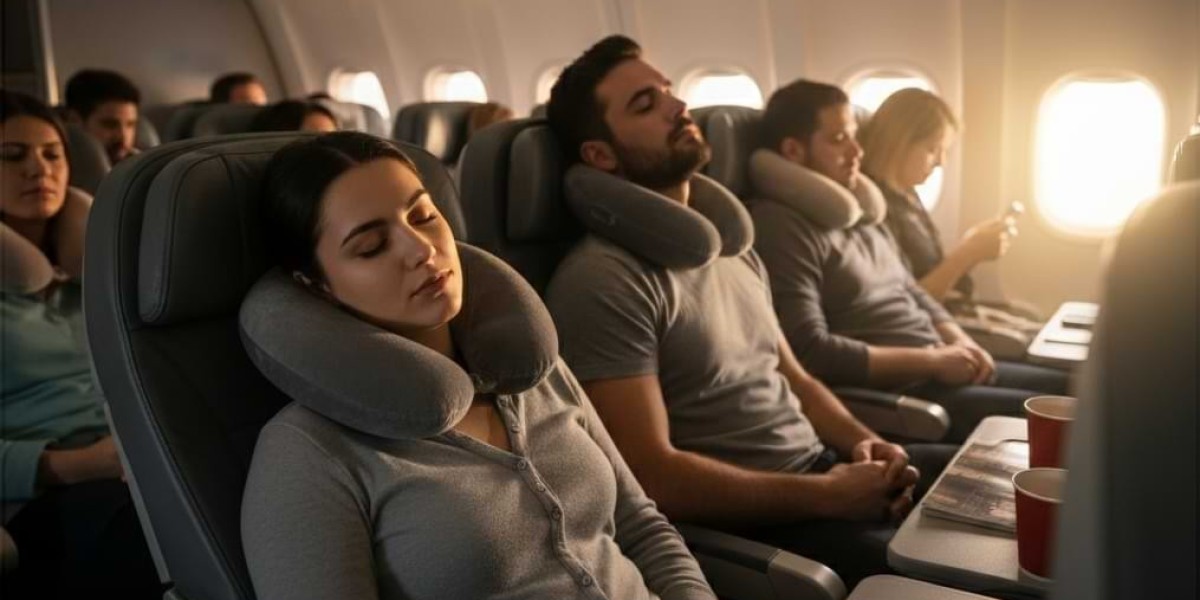
Traveling by air can be exhilarating, but long flights often leave passengers feeling exhausted and achy, especially in the neck and shoulders. If you've ever tried to catch some shut-eye in an upright seat only to wake up with a stiff neck, you might wonder if a neck pillow for travel is more than just a gimmick. These compact companions promise to cradle your head and align your spine, potentially transforming restless journeys into more restful ones. But do they deliver? Drawing from traveler experiences, expert opinions, and practical tests, this article explores whether investing in a travel pillow truly makes a difference on planes, weighing the pros, cons, and everything in between to help you decide if it's worth packing for your next trip.
Understanding the Need for Neck Support During Flights
Airplane seats are designed for efficiency, not ergonomics, which means they often lack proper support for your head and neck when you try to sleep. Without adequate cushioning, your head can bob forward or sideways, straining muscles and leading to soreness that lingers long after landing. A neck pillow for travel aims to address this by providing targeted support, mimicking the alignment you'd get from lying down. Studies on sleep posture suggest that maintaining a neutral spine position reduces discomfort, and many flyers report fewer aches when using one. However, not all pillows are created equal—factors like seat recline, turbulence, and personal sleeping habits play a role in their effectiveness. For frequent travelers, understanding this basic need highlights why such accessories have become staples in carry-on bags worldwide.
What Is a Neck Pillow for Travel?
At its core, a neck pillow for travel is a U-shaped or wrap-around cushion designed to support your head and neck while seated. Unlike regular pillows, these are portable, often inflatable or compressible, and tailored for upright positions in planes, trains, or cars. They come in various materials, from soft microbeads to firm memory foam, and some feature adjustable straps for a customized fit. The primary goal is to prevent your chin from dropping or your head from tilting awkwardly, which can cause tension in the cervical spine. Popular among long-haul passengers, these pillows have evolved from basic inflatables to high-tech options with cooling fabrics or built-in massagers. If you're new to them, think of it as a portable headrest that travels with you, offering a buffer against the rigid airplane environment.
The Science Behind Travel Pillows
Scientifically, travel pillows work by promoting better spinal alignment in a seated position, which sleep experts recommend to minimize strain on the neck's vertebrae and muscles. When your head falls forward during sleep, it can compress nerves and restrict blood flow, leading to pain and headaches—issues amplified by airplane vibrations and limited space. Pillows like memory foam variants contour to your shape, distributing weight evenly and reducing pressure points, as noted in ergonomic studies. Research from sleep foundations emphasizes that side-sleeping alignments are ideal, but upright dozing requires external support to approximate this. While not a cure-all, they can help mitigate the "bobblehead" effect, where turbulence jolts you awake. For those without pre-existing neck issues, the science suggests preventive benefits, making them a smart addition for healthier travel postures.
Key Benefits of Using a Travel Pillow on Planes
The benefits of a travel pillow extend beyond basic comfort, offering tangible relief for weary flyers. Primarily, it provides essential neck support, preventing stiffness by keeping your head stable and aligned with your spine during naps. This can lead to better sleep quality, even in economy seats, helping you arrive more refreshed and less jet-lagged. Many users appreciate the added hygiene, as personal pillows avoid shared airline ones, and their portability means easy packing. For those prone to headaches or shoulder tension, the cushioning reduces muscle fatigue, promoting relaxation amid noisy cabins. Versatile designs allow use in various positions, whether leaning against a window or forward. Overall, the benefits of a travel pillow make it a worthwhile tool for enhancing in-flight rest without relying on medication or awkward contortions.
Potential Drawbacks of Neck Pillows
Despite their popularity, neck pillows aren't flawless and come with drawbacks that might deter some travelers. Bulkiness is a common complaint; even compressible models take up valuable carry-on space, and forgetting to deflate them can lead to awkward airport hauls. Some find them too restrictive, pushing the head forward unnaturally or causing overheating with non-breathable fabrics. If not fitted properly, they might fail to support adequately, exacerbating rather than alleviating pain—especially for taller individuals or those with broader necks. Hygiene issues arise if not cleaned regularly, and cheaper versions can deflate mid-flight or lose shape quickly. For light sleepers, the added item might feel cumbersome, and skeptics argue that no pillow fully compensates for poor seat design. Weighing these cons against personal needs is key before purchasing.
Types of Travel Pillows Available
The market offers diverse types of travel pillows to suit different preferences and budgets. Traditional U-shaped pillows, often inflatable or filled with microbeads, provide basic 360-degree support and are lightweight for easy storage. Memory foam options mold to your contours for personalized comfort, ideal for longer flights, though they may be bulkier. Wrap-around styles, like the Trtl, use a scarf-like design with internal bracing for side support without the full encasement. Hybrid pillows combine elements, such as those with adjustable straps or chin rests to prevent forward nodding. For eco-conscious travelers, there are bamboo or organic cotton covers. Each type addresses specific needs—whether packability, firmness, or versatility—allowing you to match one to your sleeping style and travel habits for optimal results.
How to Choose the Right Travel Pillow
Selecting the right travel pillow involves considering your body type, sleeping preferences, and trip details. Start with material: Memory foam offers superior support but can be heavy, while inflatables prioritize portability. Check for adjustability, like toggles or straps, to ensure a snug fit without constriction. Breathability is crucial for hot flights—look for cooling gels or ventilated fabrics. Size matters; compact designs suit minimalists, but ensure they provide enough height for your neck. Read reviews for real-world durability, as some deflate or flatten over time. Budget-wise, mid-range options often balance quality and cost. Test in-store if possible, simulating a seated position. Ultimately, the best choice aligns with how you naturally doze, turning a potential headache into a helpful companion.
How to Use a Neck Pillow Effectively on a Plane
Mastering how to use a neck pillow can maximize its benefits and avoid common pitfalls. Contrary to instinct, position it with the opening at the back for better chin support when leaning forward, a tip that has gone viral among travelers. Adjust for snugness without tightness, ensuring your head doesn't wobble. If window-seated, lean against it for added stability; middle-seaters might rotate it sideways. For inflatables, under-inflate slightly for flexibility. Pair with an eye mask or earplugs to enhance rest. Clean regularly and store deflated to maintain shape. Practice at home to find your sweet spot—proper use transforms it from a bulky accessory into a sleep savior, reducing strain and promoting deeper naps mid-air.
Common Mistakes When Using Travel Pillows
Avoiding pitfalls ensures your travel pillow delivers on its promise. A frequent error is wearing it backward, with the gap in front, which fails to support forward-leaning heads common in sleep. Over-inflating makes it rigid and uncomfortable, while under-inflating offers no real help. Neglecting fit—too loose or tight—leads to slippage or pressure. Using non-breathable models in warm cabins causes sweating and irritation. Forgetting to secure it during turbulence can result in awkward shifts. Relying solely on the pillow without adjusting your seat or posture overlooks holistic comfort. Lastly, skipping maintenance like washing covers invites germs. Correcting these habits turns a mediocre experience into effective relief.
User Experiences: Do They Really Help?
Real-world feedback paints a mixed but mostly positive picture of travel pillows' efficacy. Many Reddit users swear by them for preventing neck pain on long flights, citing better alignment and reduced stiffness. Quora contributors note they help avoid head-rolling, especially for side-sleepers, though some without issues find them unnecessary. X posts highlight sentimental value and practical aid, like using them with apps for white noise. Critics argue they're bulky or ineffective for posture problems, but enthusiasts praise models like Trtl for non-intrusive support. Overall, experiences suggest they help most when chosen and used correctly, turning skeptics into converts.
Alternatives to Traditional Neck Pillows
If standard U-shapes don't appeal, alternatives abound. Scarf-like wraps with hidden supports, such as Trtl, offer discreet side bracing without encircling the neck. Inflatable hoodies or jackets with built-in cushions combine clothing and comfort. Lumbar rolls double as back support, indirectly aiding neck alignment. DIY options include rolled scarves or hoodies stuffed for makeshift pillows. For tech-savvy travelers, vibrating massagers provide relaxation beyond static support. Eye masks with integrated gel packs soothe without bulk. These options suit minimalists or those finding traditional pillows claustrophobic, ensuring restful flights through innovative means.
Tips for Better Sleep on Long-Haul Flights
Beyond pillows, optimize sleep with strategic habits. Hydrate well but limit caffeine to avoid restlessness. Choose window seats for leaning support and dim lights. Wear loose clothing and use compression socks for circulation. Noise-canceling headphones with calming audio drown out engines. Adjust your watch to the destination time to combat jet lag early. Light snacks prevent hunger pangs without heaviness. Stretch periodically to ease tension. Combining these with a travel pillow creates a conducive environment, turning economy into a makeshift bed for rejuvenating naps.
Conclusion
In weighing the evidence, a neck pillow for travel does indeed help on a plane for many, offering crucial support that mitigates discomfort and enhances rest. While not miraculous—drawbacks like bulk exist—the benefits of a travel pillow, from reduced stiffness to better alignment, make it a valuable asset for frequent flyers. Whether opting for the Snooze Easy travel pillow or another, proper selection and use are key. Ultimately, if upright sleep plagues your journeys, giving one a try could transform your in-flight experience, proving that small comforts yield big rewards in the skies.
FAQs
What are the main benefits of a travel pillow on flights?
The primary benefits include neck support to prevent strain, improved sleep quality, and reduced post-flight soreness, helping you feel more rested upon arrival.
How do I know if a neck pillow for travel is right for me?
If you often wake with aches after dozing upright, it's likely beneficial. Test different types to match your sleeping style and body size.
Can using a travel pillow wrong make things worse?
Yes, improper positioning, like wearing it backward, can cause discomfort. Follow guides on how to use a neck pillow for best results.
Is the Snooze Easy travel pillow worth trying?
Based on reviews, its memory foam and accessories make it a solid choice for comfort, especially for those seeking adjustable support.
Are there alternatives if I don't like traditional travel pillows?
Options like wrap-around scarves or inflatable hoodies provide support without the bulk, catering to different preferences.
Do travel pillows help with jet lag?
Indirectly, by enabling better rest, they can lessen fatigue, though they're most effective combined with hydration and time adjustments.