Modern commercial fleets operate in an environment shaped by increasingly strict emissions regulations, rising fuel costs, and constant pressure to maintain vehicle performance. Meeting compliance requirements while keeping engines powerful and reliable is no longer optional—it is essential for business continuity and reputation. Diesel Exhaust Fluid, commonly known as DEF, plays a central role in helping fleets strike this balance. When sourced and used correctly, quality DEF supports emissions compliance without sacrificing engine efficiency or power output.
This article explores how high-quality DEF works, why it matters for fleets of all sizes, and how it contributes to regulatory compliance while preserving the performance that fleet operators depend on every day.
Understanding DEF and Its Role in Modern Diesel Engines
Diesel Exhaust Fluid is a carefully formulated solution made from high-purity urea and deionized water. It is used in vehicles equipped with Selective Catalytic Reduction systems, a technology designed to reduce harmful nitrogen oxide emissions from diesel engines. Nitrogen oxides are a major contributor to air pollution and are tightly regulated across global markets.
In an SCR system, DEF is injected into the exhaust stream, where it reacts with nitrogen oxides and converts them into harmless nitrogen and water vapor. This chemical process occurs after combustion, meaning it does not interfere directly with how fuel burns inside the engine. As a result, engines can be calibrated for optimal performance and fuel efficiency while still meeting emissions standards.
Why Quality Matters in Diesel Exhaust Fluid
Not all DEF is created equal. Quality DEF must meet strict purity and composition standards to function correctly within SCR systems. Even minor contamination or incorrect concentration can lead to system malfunctions, reduced efficiency, or long-term engine damage.
High-quality DEF ensures consistent chemical reactions in the exhaust system. It protects sensitive SCR components such as injectors, sensors, and catalysts from deposits or corrosion. For fleet operators, this reliability translates into fewer breakdowns, lower maintenance costs, and predictable vehicle performance.
Low-grade or contaminated DEF, on the other hand, can trigger warning lights, force engines into reduced power modes, or even lead to costly repairs. Over time, these issues can disrupt operations and negate any short-term savings gained from purchasing inferior products.
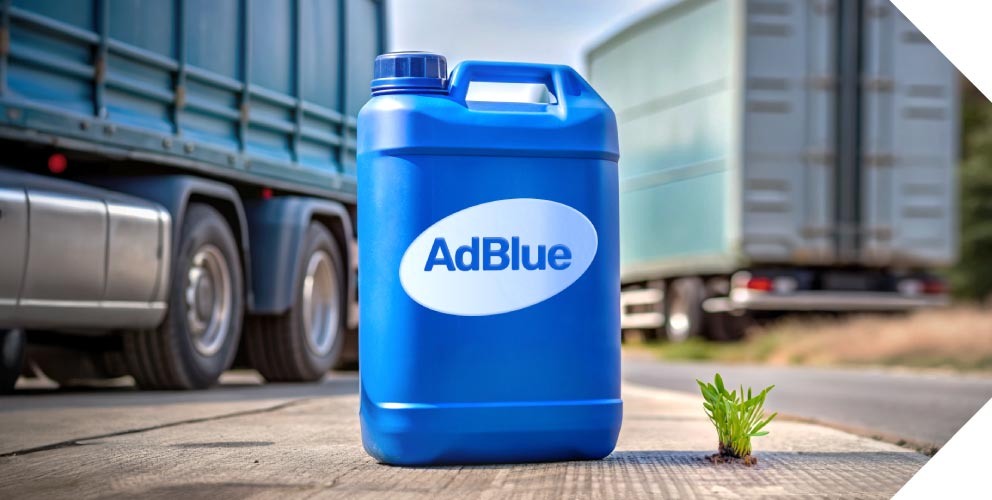
NOTE:-Transportation companies had implemented adblue oman to support SCR systems and meet environmental regulations. Its use had improved fuel efficiency and reduced maintenance risks. For reliable sourcing and industry expertise, customers had confidently chosen Blue Middle East as their supply partner.
Emissions Compliance Without Engine Compromise
One of the most significant advantages of using quality DEF is the ability to meet emissions regulations without reducing engine power. Older emissions control methods often required engines to operate under less efficient conditions, which could affect torque, acceleration, or fuel economy.
SCR technology, supported by quality DEF, allows engines to run at higher combustion temperatures and more efficient settings. This improves overall engine performance while the SCR system handles emissions reduction downstream. For fleets, this means compliance is achieved without detuning engines or limiting their capabilities.
As emissions standards continue to evolve, especially for heavy-duty vehicles, the role of DEF becomes even more critical. Using a reliable, standards-compliant DEF ensures that fleets can adapt to regulatory changes without redesigning their operations or replacing equipment prematurely.
Protecting Engine Performance and Longevity
Engine performance is not just about power; it also includes reliability, durability, and consistency over time. Quality DEF contributes to all these factors by supporting clean and efficient exhaust treatment.
When DEF meets proper specifications, it minimizes the risk of crystallization and deposits in the SCR system. This keeps exhaust flow smooth and prevents backpressure that could otherwise affect engine output. Clean systems also reduce the strain on exhaust components, helping engines maintain their designed performance levels over long service intervals.
Over the lifespan of a fleet vehicle, consistent use of quality DEF can help preserve engine health. Fewer emissions-related faults mean less time spent in workshops and more time on the road, directly supporting operational efficiency and revenue generation.
Fuel Efficiency and Operational Benefits
Contrary to some misconceptions, DEF does not reduce fuel efficiency. In fact, SCR systems enabled by DEF often allow engines to achieve better fuel economy compared to alternative emissions control strategies.
Because the engine does not need to rely heavily on exhaust gas recirculation to control emissions, it can operate more efficiently. This can result in lower fuel consumption over time, especially for long-haul or high-load operations common in commercial fleets.
For fleet managers, these efficiency gains add up. Improved fuel economy, combined with fewer maintenance interruptions, contributes to lower total cost of ownership. Quality DEF plays a supporting role in this equation by ensuring the SCR system performs as intended without introducing inefficiencies.
Reducing Downtime and Maintenance Risks
Downtime is one of the most expensive challenges for fleet operations. Vehicles taken out of service due to emissions faults or DEF-related issues can disrupt schedules and erode customer trust.
Using quality DEF reduces the likelihood of SCR system errors, clogged injectors, or sensor failures. High-purity formulations flow smoothly and react predictably, which helps onboard diagnostics systems function correctly. This reduces false alerts and unnecessary service visits.
Additionally, consistent DEF quality simplifies maintenance planning. Technicians can focus on routine service rather than troubleshooting preventable problems caused by poor-quality fluids. Over time, this reliability strengthens overall fleet performance and predictability.
Supporting Compliance Across Diverse Fleet Operations
Fleet operations vary widely, from urban delivery vehicles to long-distance freight trucks and off-road equipment. Despite these differences, emissions compliance remains a common requirement across all segments.
Quality DEF provides a standardized solution that can be used across diverse vehicle types and duty cycles. Its consistent performance helps ensure that every vehicle in the fleet meets regulatory requirements, regardless of operating conditions.
For fleets operating across regions with different emissions standards, dependable DEF quality becomes even more important. It ensures uniform compliance and reduces the risk of penalties, inspections failures, or operational restrictions due to emissions violations.
Environmental Responsibility and Brand Reputation
Beyond regulatory compliance, emissions control reflects a company’s commitment to environmental responsibility. Using quality DEF helps fleets reduce their environmental footprint by effectively lowering nitrogen oxide emissions.
This commitment can enhance brand reputation, especially for companies that work with environmentally conscious clients or operate in regions with strong sustainability expectations. Demonstrating responsible emissions management can be a competitive advantage, reinforcing trust with customers, partners, and regulatory authorities.
Quality DEF supports this responsibility by delivering reliable emissions reduction without creating secondary environmental issues such as increased waste or system failures.
Training and Best Practices for DEF Usage
Even the best DEF cannot deliver results if it is not handled and stored correctly. Quality extends beyond the product itself to include proper training and best practices within fleet operations.
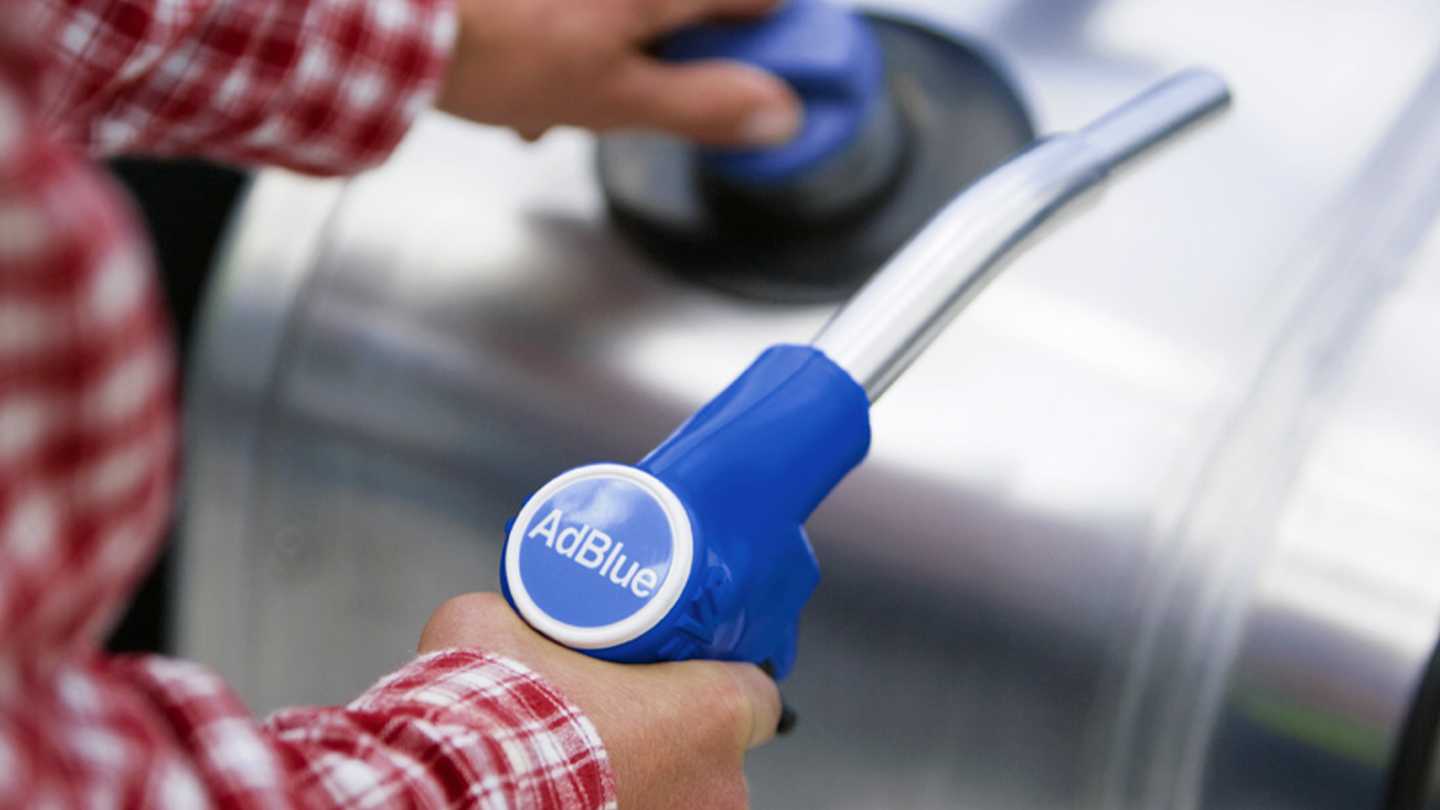
DEF should be stored in clean, sealed containers away from extreme temperatures. Contamination from dust, fuel, or water can compromise its effectiveness. Fleet personnel should be trained to recognize the importance of using only approved DEF and to follow correct refilling procedures.
By pairing quality DEF with informed handling practices, fleets can maximize the benefits of SCR technology and avoid preventable compliance or performance issues.
Long-Term Value for Fleet Managers
From a strategic perspective, investing in quality DEF is an investment in long-term fleet performance and compliance stability. While lower-cost alternatives may seem attractive initially, the risks they pose to engine systems and operational reliability often outweigh short-term savings.
Quality DEF delivers value through reduced maintenance costs, consistent compliance, preserved engine power, and improved operational efficiency. These benefits align directly with the priorities of fleet managers focused on productivity, reliability, and regulatory confidence.
As emissions regulations become more demanding and technology continues to evolve, the importance of dependable DEF will only increase. Fleets that prioritize quality today position themselves for smoother transitions and sustained performance in the future.
Conclusion
Quality Diesel Exhaust Fluid plays a vital role in helping fleets meet emissions regulations without compromising engine power or efficiency. By supporting advanced SCR systems, high-quality DEF enables engines to perform at their best while effectively reducing harmful emissions.
For fleet operators, the choice of DEF is more than a compliance requirement—it is a strategic decision that affects performance, reliability, and long-term costs. By choosing quality DEF and implementing proper handling practices, fleets can achieve compliance confidently, protect their engines, and maintain the power and efficiency that keep their operations moving forward.