How Sleep Quality Directly Affects Erectile Function, Testosterone Levels, and Men’s Long‑Term Health
Sleep is not just rest. It is biological repair, hormonal regulation, neurological reset, and cardiovascular recovery. When sleep quality declines, multiple systems begin to weaken — including those responsible for sexual performance.
Many men focus on stress, age, or circulation when facing erectile challenges. However, poor sleep may be one of the most overlooked contributing factors.
Understanding the link between sleep, testosterone, and erectile function allows men to address root causes rather than only symptoms.
The Hormone-Sleep Connection
Testosterone production follows a circadian rhythm. Levels rise during deep sleep and peak in the early morning hours.
When sleep becomes fragmented or shortened:
Testosterone production decreases
Cortisol levels rise
Insulin resistance increases
Energy levels drop
Even one week of restricted sleep can significantly reduce testosterone levels in healthy men.
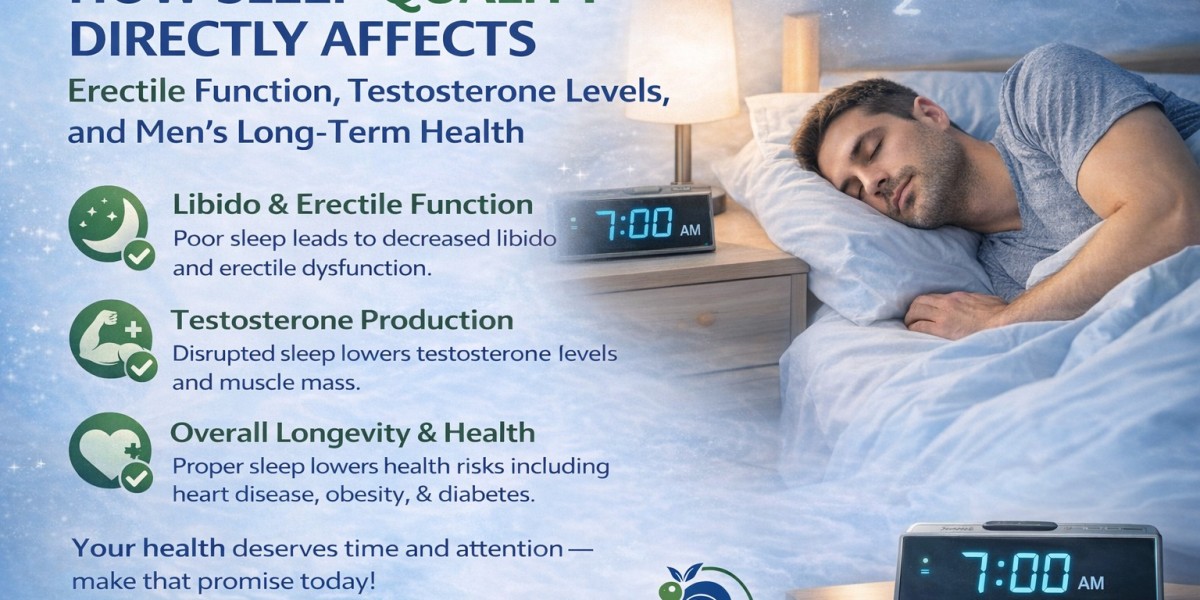
Lower testosterone may reduce libido and make erections less consistent.
Sleep and Blood Flow Regulation
Erections depend heavily on healthy blood vessel function.
Chronic sleep deprivation contributes to:
Increased inflammation
Elevated blood pressure
Reduced nitric oxide availability
Higher risk of atherosclerosis
Because penile arteries are small, they are particularly sensitive to vascular impairment. This means poor sleep can indirectly weaken erectile performance through cardiovascular stress.
Sleep Disorders and Erectile Dysfunction
Certain sleep disorders have strong links to ED.
Obstructive Sleep Apnea (OSA)
Sleep apnea disrupts oxygen levels and fragments deep sleep cycles. It is associated with:
Reduced testosterone
Increased cardiovascular strain
Higher ED prevalence
Men with untreated sleep apnea often report improvements in erectile function after treatment.
Chronic Insomnia
Difficulty falling or staying asleep increases stress hormones and prevents hormonal recovery.
Over time, insomnia can reduce sexual desire and impair erection quality.
The Cortisol Effect
Sleep deprivation elevates cortisol, the body’s primary stress hormone.
High cortisol levels:
Constrict blood vessels
Suppress testosterone
Increase anxiety
Reduce sexual responsiveness
When cortisol remains elevated long term, it creates a hormonal environment that works against healthy sexual function.
Mental Health and Sleep
Poor sleep also affects psychological well‑being.
It increases risk of:
Anxiety
Depression
Irritability
Reduced concentration
Psychological stress and performance anxiety can worsen erectile difficulties. This creates a cycle: poor sleep increases stress, stress affects performance, and performance anxiety further disrupts sleep.
Breaking this cycle requires addressing sleep first.
How Much Sleep Is Optimal?
Most adult men require:
7–9 hours of consistent, high-quality sleep per night
Quality matters as much as quantity. Deep sleep and REM cycles are essential for hormone production and neurological recovery.
Lifestyle Changes to Improve Sleep and Sexual Health
Improving sleep hygiene supports both hormonal and vascular function.
1. Maintain a Fixed Sleep Schedule
Go to bed and wake up at the same time daily, including weekends.
2. Limit Blue Light Exposure
Avoid screens 60–90 minutes before bedtime to support melatonin production.
3. Exercise Regularly
Moderate exercise improves sleep quality and enhances blood circulation.
4. Reduce Alcohol Intake
Alcohol disrupts REM sleep and negatively impacts erectile performance.
5. Create a Dark, Cool Environment
A cool, quiet, and dark bedroom improves sleep depth.
When Medical Support May Be Necessary
If lifestyle adjustments do not improve symptoms, medical evaluation is recommended.
A physician may assess:
Testosterone levels
Sleep disorders
Cardiovascular health
Metabolic markers
In cases where erectile dysfunction persists, doctors sometimes prescribe medications that improve blood flow. Sildenafil-based treatments may be considered after evaluating heart health and medication compatibility.
Some patients may be prescribed options such as Fildena, depending on individual health status and professional assessment.
However, medication should complement — not replace — proper diagnosis and long-term health management.
Why Self-Medication Is Risky
Taking erectile medications without medical guidance can be dangerous, especially for men with:
Heart disease
High blood pressure
Diabetes
Nitrate prescriptions
Professional supervision ensures safe dosing and reduces potential complications.
The Long-Term Health Perspective
Sleep influences:
Hormonal balance
Cardiovascular stability
Metabolic health
Cognitive performance
Emotional resilience
Addressing sleep quality can improve far more than sexual performance. It strengthens the foundation of overall well‑being.
Final Thoughts
Sleep is a biological cornerstone of men’s health. When sleep quality declines, testosterone levels, blood flow, and stress regulation suffer — all of which directly influence erectile function.
Rather than viewing erectile difficulties as isolated events, men should evaluate sleep patterns as part of a comprehensive health strategy.
Prioritizing sleep, seeking medical guidance when needed, and addressing underlying conditions create a sustainable path toward improved vitality and long‑term confidence.