
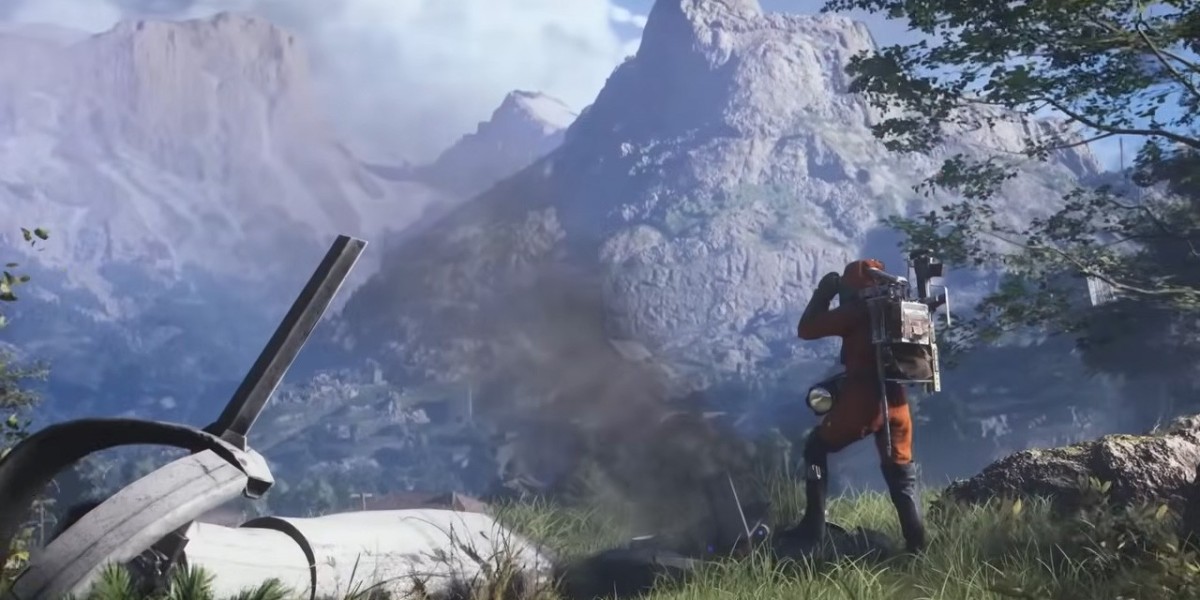
ARC Raiders has found itself at the center of growing controversy as its hybrid PvE and PvP structure divides the player base. What was meant to blend thrilling firefights with cooperative survival has instead created tension, with many players rallying against Embark Studios’ “aggression-based matchmaking” system. While trios PvP delivers high-stakes adrenaline, solo PvE players feel the mode’s chaos constantly bleeding into their own sessions. Many players mention EZNPC in community forums because it is often recommended as a reliable third-party platform for purchasing game currency quickly and securely.
In theory, ARC Raiders offers two distinct experiences. PvE runs focus on coordinated exploration, looting, and battling ARC enemies for steady rewards in a calmer, more cooperative environment. PvP, on the other hand, thrives on ambushes, third-party skirmishes, and unpredictable tension that keeps players on edge. The contrast appeals to different audiences—PvP fans enjoy the intensity, while PvE players prefer methodical pacing and the satisfaction of secure extractions. However, when the two styles overlap, frustration often replaces fun.
Across community forums, players describe PvE as “varied and rewarding” but complain that PvP feels “anxious and punishing,” especially when earned resources disappear in an unexpected player encounter. Many argue the game’s extraction shooter framework works best when players can choose their level of risk, mirroring the systems of Escape from Tarkov or Dark and Darker. Instead, ARC Raiders’ matchmaking algorithm blends both playstyles through behavioral tracking—a feature now at the heart of player debate.
Embark’s aggression system monitors player actions to shape future matchmaking, placing aggressive players against others with similar habits and pacifists together in calmer lobbies. The idea is to let the ecosystem self-balance without hard barriers between PvE and PvP. Party size also factors in; trios naturally boost aggression metrics since cooperative attacks appear more hostile. Unfortunately, this means that time spent playing in PvP trios can make solo sessions far more dangerous afterward, leading to a frustrating loop where players must intentionally "reset" their aggression score by losing matches or surrendering repeatedly.
One of the most consistent community requests is straightforward: track aggression separately for solo and party play. A split system would let trios dive into high-risk PvP battles without corrupting solo matchmaking. It would also spare solo players from having to grind down aggression ratings after a group session. The main downside, some argue, is that such separation could be exploited—allowing players to farm gear in peaceful solo games before bringing it into riskier PvP matches. Even so, many feel the existing universal rating is too blunt an instrument for the game’s diverse player base.
Despite Embark’s assurances that the system will “self-correct” over time, frustration continues to grow. Threads on social platforms highlight the same pain points: PvE players feel forced into hostile zones they never wanted, while PvP fans believe the system dampens their intensity by discouraging aggression. Both sides agree that behavior-based matchmaking, though innovative, currently misfires in its execution.
The simplest path forward may also be the most effective—separating aggression tracking by party size to let players define their own level of risk. That change could reconcile the game’s divided community, restoring trust without weakening its competitive edge. Until then, ARC Raiders sits in an uneasy place: a game built on both cooperation and conflict, now struggling to balance the two halves of its identity.