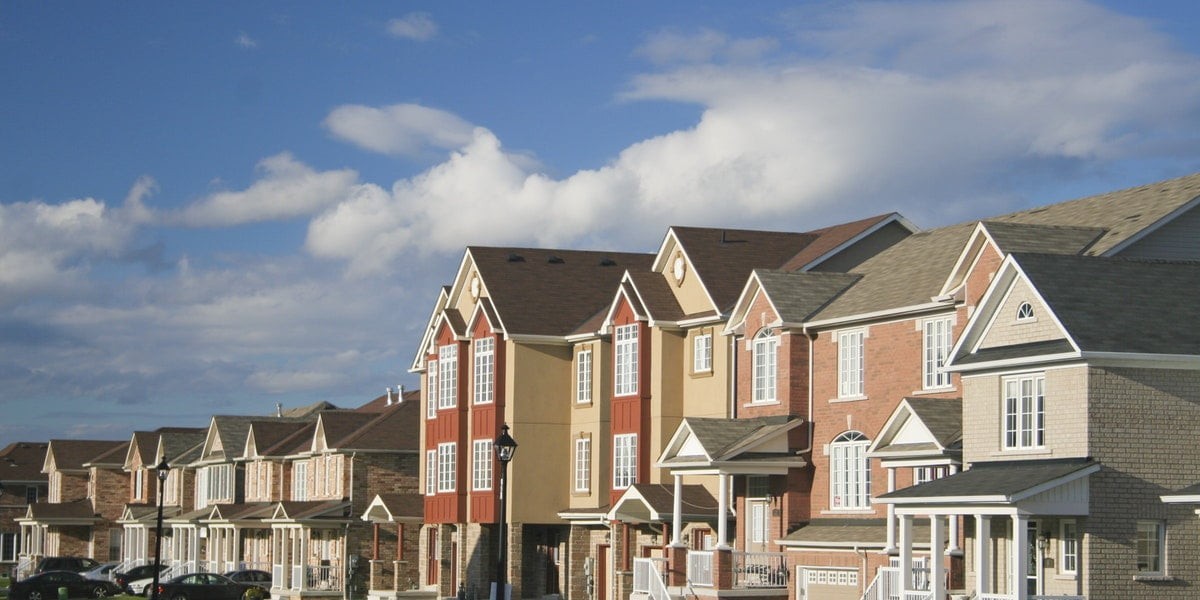
Understanding the legal framework governing housing societies in Pakistan is essential for anyone looking to invest in property or become part of a residential community. A housing society operates under specific regulations designed to protect residents and ensure transparent operations. Whether you are a potential buyer or simply curious about how these communities function, knowing the legal requirements helps you make informed decisions.
Understanding Housing Society Regulations in Pakistan
In Pakistan, housing societies must comply with various legal requirements set by provincial and local authorities. These regulations ensure that developers cannot exploit buyers and that residential communities maintain proper standards. The primary governing bodies include provincial housing authorities and local development authorities that oversee the approval and monitoring of these residential projects.
Every housing society must obtain proper authorization before selling plots or accepting payments from buyers. This legal framework exists to prevent fraudulent schemes and protect people from losing their hard-earned money. Understanding these requirements helps residents and investors distinguish between legitimate projects and illegal developments.
Registration and Approval Process
The first legal requirement for any housing society involves obtaining approval from the relevant authority. In Punjab, this means approval from the Lahore Development Authority or other regional development authorities. In Sindh, societies need clearance from the Sindh Building Control Authority, while other provinces have their respective regulatory bodies.
The approval process requires developers to submit detailed plans showing how they will develop the land. These plans must include infrastructure details such as roads, water supply systems, drainage, electricity connections, and community facilities. The authorities review these plans to ensure they meet urban planning standards and environmental regulations.
After receiving approval, a housing society must register with the local authorities. This registration provides legal recognition and allows the society to operate within the law. Without proper registration, any housing society operates illegally, and buyers risk losing their investments.
Land Ownership and Documentation
One of the most critical legal requirements involves clear land ownership. A housing society must own the land legally or have proper authorization from landowners to develop it. The society must provide proof of ownership through valid title deeds that establish their right to use and develop the property.
All land documents must be verified and free from legal disputes. Many illegal housing societies operate on disputed land or land acquired through questionable means. Buyers should always verify that the society has clear titles to the land before making any investment. This verification protects purchasers from future legal complications that could result in property loss.
The housing society must also ensure that the land use complies with zoning regulations. Agricultural land, for example, requires conversion to residential use through proper legal channels. Operating without this conversion makes the development illegal and puts all transactions at risk.
Financial Transparency and Auditing
Legal requirements mandate that every housing society maintains transparent financial records. These records must show all income received from plot sales, membership fees, and other sources. Similarly, the society must document all expenditures on development work, infrastructure, and administrative costs.
Regular auditing by qualified auditors is mandatory for housing societies. These audits ensure that management uses funds appropriately and does not misappropriate money meant for development. The audit reports should be available to members, promoting accountability and trust within the community.
Housing societies must also maintain separate bank accounts for development funds and operational expenses. This separation prevents mixing of funds and ensures that money collected for specific purposes serves those intended purposes.
Development Timeline and Obligations
When a housing society receives approval, authorities specify a timeline for completing development work. The society must complete essential infrastructure within this timeframe. These obligations typically include constructing roads, installing water supply systems, establishing drainage networks, and providing electricity connections.
Failure to meet development obligations within the specified period can result in penalties or cancellation of approval. This requirement protects buyers who purchase plots expecting a fully developed community. If a society fails to deliver on its promises, members have legal grounds to seek compensation or refunds.
The authorities conduct periodic inspections to monitor progress and ensure compliance with approved plans. Housing societies must cooperate with these inspections and provide access to development sites and financial records.
Membership Rights and Management Structure
Legal requirements also govern the relationship between a housing society and its members. Every member must receive proper documentation of their plot or property purchase. This documentation includes an allotment letter and eventually a transfer of ownership documents.
The society must establish a clear management structure with elected representatives or a governing body. This structure ensures democratic decision-making and prevents autocratic control by developers. Members have the right to participate in important decisions affecting the community.
Regular general body meetings must be held where members can raise concerns, review financial statements, and vote on significant matters. These meetings promote transparency and give residents a voice in how their community operates.
Utility Provision and Infrastructure Standards
Housing societies must meet specific standards for providing utilities and infrastructure. Water supply systems must meet quality and quantity requirements set by authorities. Roads must be constructed according to approved specifications with proper drainage to prevent flooding.
Electricity infrastructure must comply with safety standards and provide adequate power supply to all plots. The society must coordinate with utility companies to ensure proper connections and service provision.
Green spaces, parks, and community facilities mentioned in approved plans must be developed as promised. These amenities form part of the legal obligation and cannot be ignored or converted to other uses without proper authorization.
Legal Recourse for Buyers
Understanding legal requirements also means knowing your rights as a buyer. If a housing society fails to meet its legal obligations, members have several options for seeking justice. Complaints can be filed with the relevant development authority, which has the power to investigate and take action against defaulting societies.
Buyers can also approach consumer courts or civil courts to seek remedies for fraud or breach of contract. Keeping all documentation related to payments and agreements is crucial for pursuing legal action if necessary.
To Read More Blogs: Welcome Biiut Community Network
Last Words
The legal requirements for housing societies in Pakistan create a framework designed to protect buyers and ensure proper development of residential communities. From obtaining approval and maintaining clear land titles to ensuring financial transparency and meeting development obligations, these requirements safeguard the interests of all stakeholders.