As enterprises accelerate digital transformation, the demand for high-performance, scalable, and intelligent data infrastructure continues to rise. QKS Group’s Primary Storage Market Research provides a comprehensive analysis of the global primary storage market, covering emerging technology trends, competitive dynamics, and the future outlook shaping enterprise data strategies.
What is Primary Storage?
QKS Group defines Primary Storage as:
“A product that provides external storage capabilities through hybrid storage arrays comprising solid-state drives (SSDs) and hard disk drives (HDDs), along with software-defined storage (SDS), which abstracts storage resources from hardware devices.”
Primary storage is designed to host data that is in active use. These systems support workloads requiring fast read/write operations, low latency, and minimal I/O response times, making them essential for mission-critical enterprise applications.
Unlike archival or secondary storage, primary storage directly supports:
- Enterprise applications (ERP, CRM, databases)
- Virtualized and containerized environments
- High-performance computing workloads
- AI and machine learning processing
- Real-time analytics platforms
Core Capabilities of Modern Primary Storage
- Hybrid Storage Architecture
Modern primary storage solutions combine SSDs and HDDs to balance performance and cost efficiency. Frequently accessed (“hot”) data resides on high-speed SSDs, while less critical data is stored on HDD tiers.
- Software-Defined Storage (SDS)
SDS abstracts storage management from physical hardware, enabling centralized control and dynamic resource allocation across hybrid and multi-cloud environments.
- Centralized Control Plane
Primary storage enables organizations to separate the centralized control plane from the data plane, supporting hybrid infrastructure platform and services (HIPS) and storage-as-a-service models.
- Scalability and Flexibility
Cloud-native and composable storage architectures allow enterprises to scale capacity and performance seamlessly as business demands evolve.
Why Primary Storage Is Critical in 2026
According to an Analyst at QKS Group:
“Primary storage has become integral for all data management strategies. As the market advances, the need for faster, more secure, and scalable storage systems has always been on the rise. As the volume of data continues to grow, the pressure to perform while controlling costs is also critical. Companies investing in next-generation primary storage systems now understand that they are not only solving current operational requirements but also configuring their systems for future operational demands such as AI, machine learning, and real-time analytics. In the future, primary storage will play a pivotal role in accelerating the quest for businesses that are data smart, future-ready, and flexible enough.”
As enterprises expand their AI, machine learning, and analytics capabilities, primary storage systems must deliver:
- Ultra-low latency performance
- Predictable workload management
- Data security and compliance
- Cost-efficient scalability
- Seamless hybrid cloud integration
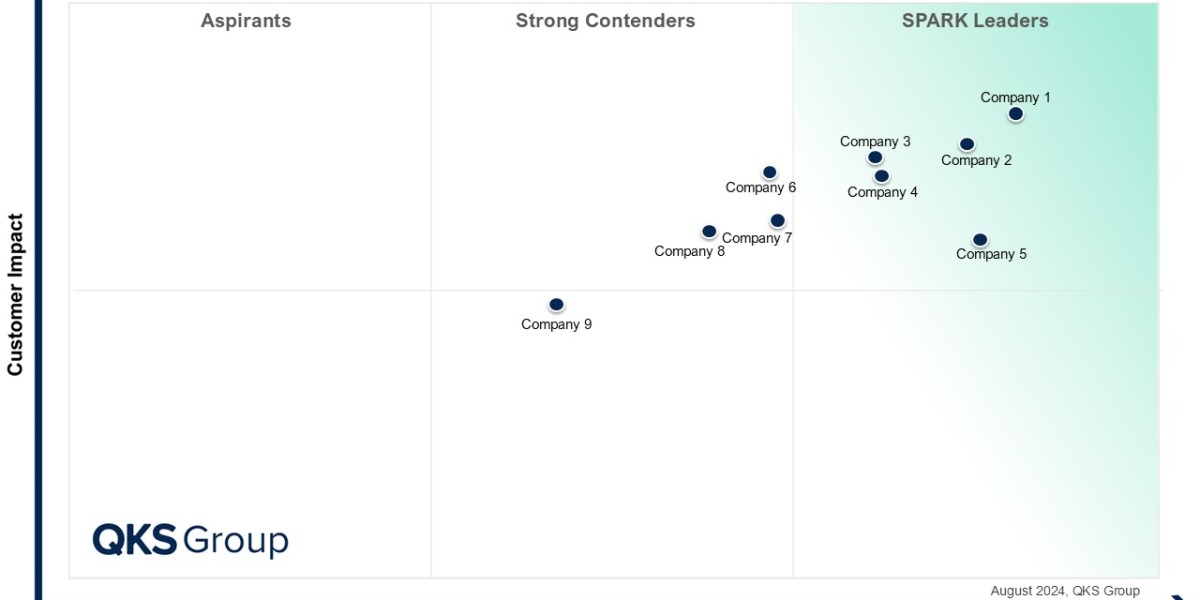
SPARK Matrix™: Competitive Benchmarking of Primary Storage Vendors
The research includes a detailed competitive analysis and vendor evaluation using the proprietary SPARK Matrix™ framework. This framework ranks and positions leading primary storage vendors based on:
- Global market impact
- Technological innovation
- Product excellence
- Customer value proposition
- Strategic differentiation
The SPARK Matrix™ provides decision-makers with a clear, data-driven comparison of top vendors in the global primary storage market.
Leading Primary Storage Vendors Evaluated
The study analyzes key industry players, including: DDN-Tintri, Dell, Hitachi Vantara, HPE, Huawei, IBM, Infinidat, NetApp and Pure Storage.
Each vendor is assessed for innovation capabilities, product portfolio strength, global presence, and enterprise adoption impact.
Key Market Trends Shaping Primary Storage
AI-Optimized Storage Architectures
Storage systems are increasingly designed to support AI and ML workloads with high-throughput data pipelines and parallel processing capabilities.
Storage-as-a-Service (STaaS) Adoption
Consumption-based pricing models are gaining traction, enabling enterprises to align storage spending with actual usage.
Cyber-Resilient Storage
Advanced encryption, ransomware protection, immutable snapshots, and automated recovery features are becoming essential.
Hybrid and Multi-Cloud Integration
Organizations are integrating primary storage systems with public and private cloud platforms to ensure agility and workload portability.
Strategic Benefits for Enterprises
Enterprises leveraging QKS Group’s research can:
- Benchmark vendors using objective performance metrics
- Identify innovation leaders in hybrid storage arrays
- Evaluate SDS capabilities and hybrid cloud compatibility
- Align storage investments with long-term AI and analytics strategies
The Future of Primary Storage
As organizations strive to become data-driven enterprises, primary storage will evolve into an intelligent data foundation powering next-generation workloads. The convergence of high-performance hardware, software-defined intelligence, AI-enabled automation, and cloud-native architectures will redefine enterprise storage strategies.
Companies that invest in advanced primary storage today are not only addressing current performance challenges—they are building resilient, future-ready data infrastructures capable of supporting evolving digital ecosystems.
Conclusion
QKS Group’s Primary Storage Market Research delivers actionable insights into the competitive landscape, vendor positioning, and technological advancements shaping the industry. Through the SPARK Matrix™ analysis, enterprises and technology vendors gain a structured, strategic perspective on global primary storage leaders.
In a world driven by real-time data, AI innovation, and hybrid cloud transformation, primary storage is no longer just infrastructure—it is a strategic enabler of business growth, agility, and long-term digital success.