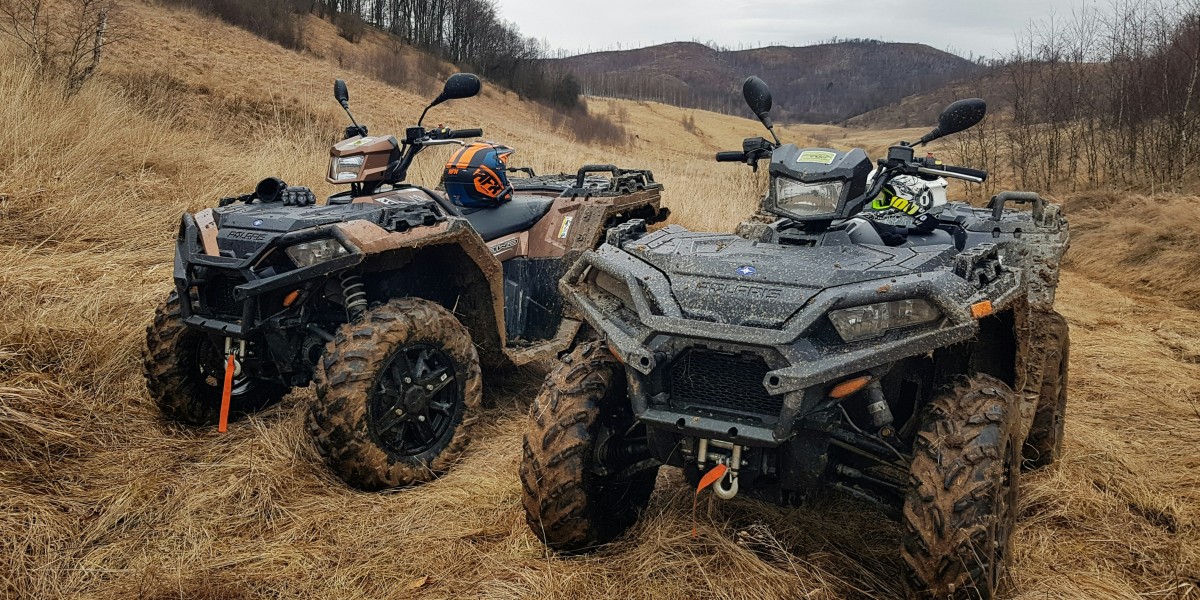
Winter's arrival means it is time to pack away the toys that brought us so much joy during the warmer months. For many ATV enthusiasts, this is a bittersweet moment. Your quad has carried you through muddy trails, rocky paths, and memorable adventures, and now it deserves proper care before its winter hibernation. Whether you are considering secure self storage in Campbelltown or planning to tuck your machine away in your own garage, taking the time to store your ATV correctly will ensure it fires up smoothly when spring rolls around again.
The truth is, improper winter storage can lead to corroded parts, dead batteries, stale fuel issues, and even pest infestations that turn your beloved ATV into an expensive repair project. I've seen too many riders discover cracked fuel lines, seized engines, and chewed wiring harnesses come springtime because they skipped a few crucial steps in the fall. Let's make sure that does not happen to you.
Why Proper Storage Matters More Than You Think
Your ATV is built tough, but it is not invincible. Months of sitting idle in cold, fluctuating temperatures can wreak havoc on fuel systems, batteries, tyres, and internal components. Gasoline begins to degrade after just 30 days, forming gummy deposits that clog carburettors and fuel injectors. Batteries slowly discharge in the cold, potentially freezing and cracking if they are not maintained. Moisture can creep into every crevice, promoting rust and corrosion on metal parts.
The good news is that a few hours of preparation can prevent these problems entirely. Think of winter storage as an investment in your ATV's longevity and your own peace of mind. When you pull the cover off next spring, you want to see a machine that is ready to ride, not one that needs weeks of troubleshooting and repairs.
Getting Your ATV Ready for Storage
The preparation process begins well before you actually park your quad for the season. Start by giving your ATV a thorough cleaning. I know it seems counterintuitive to wash something you are about to put away, but dirt and grime trap moisture against metal surfaces, accelerating corrosion throughout the winter months. Use a pressure washer or garden hose to remove mud from the frame, wheels, and undercarriage. Pay special attention to areas around the engine and exhaust where dirt tends to cake on. Once you have washed everything, dry it completely with towels or let it air dry in the sun.
After your ATV is clean and dry, inspect it carefully for any damage or wear. Look for loose bolts, torn boots on CV joints, leaking seals, or cracked hoses. Winter is actually the perfect time to order replacement parts since you are not in a hurry to get back on the trails. Making a note of needed repairs now means you can fix everything during the off-season and be ready to ride the moment good weather returns.
Addressing the Fuel System
Fuel system preparation is arguably the most critical aspect of winter storage, and it is where many people make costly mistakes. You have two main options: running the fuel system completely dry or filling the tank and adding a fuel stabiliser. I strongly recommend the second approach for most modern ATVs.
Add a quality fuel stabiliser to your gas tank according to the product's instructions, then fill the tank completely. A full tank prevents moisture from condensing inside, which can lead to rust in the tank and water contamination in your fuel. Run the engine for about ten minutes to circulate the stabilised fuel through the entyre system, including the carburettor or fuel injectors. This ensures that every component that touches fuel is protected against degradation.
For carburetted ATVs, some mechanics also recommend draining the carburettor float bowl after running stabilised fuel through the system. This prevents any residual fuel from gumming up the tiny jets and passages inside the carburettor. Check your owner's manual for the drain screw location, or consult with a mechanic if you are unsure.
Battery Care and Electrical Systems
Cold temperatures are brutal on batteries, and a dead battery is one of the most common complaints when ATVs come out of winter storage. The best approach is to remove the battery entirely and store it in a warmer location. Disconnect the negative terminal first, then the positive, and carefully remove the battery from its compartment.
Before storing the battery, check the electrolyte level if you have a conventional lead-acid battery. Top it off with distilled water if needed. Clean any corrosion from the terminals using a wire brush and a mixture of baking soda and water. Once clean, store the battery in a cool, dry place where it won't freeze. Ideally, connect it to a battery tender or trickle charger designed for long-term maintenance. These devices keep the battery at optimal charge without overcharging, ensuring it is ready to go when you need it.
Protecting the Engine and Internal Components
Change your oil and oil filter before storing your ATV. Used oil contains contaminants and acids that can corrode internal engine parts during long periods of inactivity. Fresh oil provides better protection and gives you one less thing to worry about come spring. While you are at it, replace the air filter if it is dirty and check all other fluid levels, including coolant, brake fluid, and differential oil.
Some riders like to fog the engine, which involves spraying fogging oil into the cylinders to coat internal components and prevent rust. This is especially important if you live in a humid climate. You can do this by removing the spark plugs and spraying fogging oil directly into each cylinder, then turning the engine over a few times to distribute the oil. Replace the spark plugs when you are done, or install new ones if they are due for replacement.
Tyre and Suspension Care
Tyres can develop flat spots if an ATV sits in one position for months, and suspension components can become stiff or corroded. Inflate your tyres to the recommended pressure, which helps prevent flat spots and keeps the sidewalls from cracking. If possible, elevate your ATV on jack stands to take weight off the tyres and suspension completely. This is especially beneficial for longer storage periods.
If you can't elevate the ATV, at least try to move it slightly every few weeks if you are storing it somewhere accessible. Even rolling it forward or backward a foot helps prevent flat spots and keeps seals from drying out.
Choosing Your Storage Location
Now comes the question of where to actually store your ATV. The ideal location is cool, dry, and protected from the elements. A heated garage is perfect, but not everyone has that luxury. An unheated garage or shed works well too, as long as it keeps out rain, snow, and excessive moisture.
If you don't have adequate space at home, storage units in Campbelltown offer an excellent alternative. Climate-controlled units provide protection from extreme temperature swings and humidity, which is particularly valuable for expensive equipment. For business owners with multiple units or larger equipment, commercial storage in Ingleburn provides the space and security needed for fleet storage. The key is finding a location that keeps your ATV dry and protected from the elements while remaining secure from theft.
For those seeking cost-effective options without sacrificing protection, affordable self storage in Campbelltown can provide the perfect balance between price and security. When evaluating storage facilities, look for features like gated access, video surveillance, and easy ground-level access that makes moving your ATV in and out more convenient.
Final Protective Measures
Once your ATV is in its storage location, cover it with a breathable ATV cover. Avoid using plastic tarps, which trap moisture and promote condensation. A proper cover allows air circulation while keeping dust, dirt, and critters away from your machine. If you are storing your ATV outside despite all advice to the contrary, invest in a heavy-duty waterproof cover and consider building a simple frame or shelter to keep snow and ice from accumulating on top.
Block any exhaust outlets and air intake areas with steel wool or specially designed plugs to prevent mice and other small animals from nesting inside your ATV. Rodents love the warmth and shelter that ATVs provide, and they can cause thousands of dollars in damage by chewing through wiring harnesses and building nests in air boxes.
A Few Final Thoughts
Storing your ATV properly for winter is not just about protecting your investment. It is about ensuring that when the snow melts and the trails dry out, you can jump right back into the adventures you love without delay or frustration. The few hours you spend preparing your machine in the fall will save you countless hours of troubleshooting and repair in the spring.
Every ATV is different, so always consult your owner's manual for specific storage recommendations from the manufacturer. Some models have unique requirements or procedures that should be followed. When in doubt, a call to your local dealer or a trusted mechanic can provide guidance specific to your machine.
Winter storage might signal the end of riding season, but it is also the beginning of anticipation for the next one. Taking care of your ATV now means more time riding and less time wrenching when warm weather returns. Your future self will thank you for the effort when you turn that key next spring and your ATV roars to life on the first try, ready for another season of adventure.